
Fitness
Why You Need Strength Training for Muay Thai
Published
52 minutes agoon
By
Admin
Ask around in most Muay Thai gyms on how to improve and the answer is almost always the same: more pad work, more clinching, more sparring. Technique and ring time matter enormously, but they have a ceiling. Two fighters with identical skill will still be separated by who is stronger, who recovers faster and who stays healthy through a long camp.
Strength training is the missing piece for many practitioners. It makes your kicks heavier, your clinch harder to break, and your joints more durable. And contrary to a common fear, done properly, it won’t make you slow or bulky. Here’s why it deserves a permanent place in your weekly schedule.
Table of Contents
ToggleMore Power in Every Strike
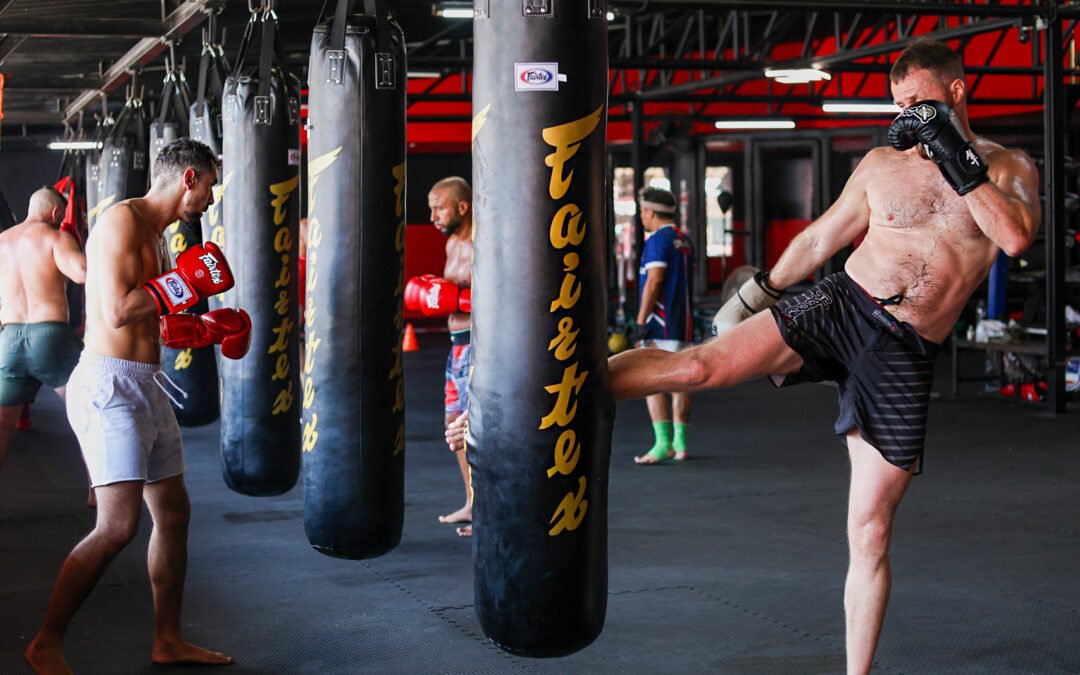
Power in Muay Thai travels from the ground up, through the legs and hips, into the torso and out through the limb. Squats, deadlifts and similar lifts build the force-producing capacity of that chain. A fighter who can produce more force, and produce it quickly, hits harder with the same technique.
Fewer Injuries, Faster Recovery
Stronger muscles, tendons and connective tissue absorb impact better. Built-up hamstrings, glutes and calves protect the knees and ankles that take so much twisting in kicking. A strong neck and upper back make clinch work and absorbing head strikes safer. Many of the injuries that sideline fighters are overuse and load problems that a solid strength base helps prevent.
Better Endurance Under Fatigue
Good strength means each strike costs you less effort. When you’re not working near your limit on every kick, you tire more slowly across five rounds. Strong fighters also maintain technique later in a fight, when fatigue causes sloppy form and mistakes.
Dominance in the Clinch
The clinch is a strength contest. Controlling posture, breaking a hold, and sweeping or dumping an opponent all depend on grip strength, pulling power and a strong core. Fighters with a bigger strength base can impose their game in the clinch and defend against being controlled.
Stability and Balance
Balance is strength expressed on one leg. Checking a kick, landing a teep or absorbing a push all demand a stable standing leg. Single-leg strength work and core training directly improve how well you stay planted when things get chaotic.
Key Exercises for Muay Thai Athletes
Focus on movements that transfer to fighting rather than isolated muscle work:
- Squats and deadlifts for leg and hip power.
- Pull-ups and rows for clinch pulling strength and shoulder health.
- Overhead and push presses for explosive upper-body force.
- Rotational core work such as Pallof presses and cable chops for strike transfer.
- Plyometrics like box jumps and medicine ball throws for speed and explosiveness.
- Neck and grip training for clinch control and protection.
Programming and Common Mistakes
Two strength sessions a week of 45 to 60 minutes is enough for most practitioners. Schedule them away from your hardest sparring days, and keep the work fast and controlled rather than grinding through slow reps to exhaustion. Heavy lower-body work should not land the day before an important fight or session.
Avoid these common errors:
- Training like a bodybuilder. Chasing size or muscle pump adds bulk without adding fighting ability.
- Lifting too heavy too close to competition. Fatigue from lifting can drag down your skills when it counts.
- Ignoring the neck. A neglected neck is a liability in the clinch.
- Skipping recovery. Strength gains happen in rest, not during the workout.
Strength training won’t replace technique, but it multiplies what your technique can do. Add it to your routine and you’ll hit harder, last longer and get hurt less.
Why You Need Strength Training for Muay Thai
Smart Cooling: Preparing for the Next Wave of Dense IT Loads
Flower Delivery Warsaw Poland Beyond the Bouquet: Plants, Luxury Flowers and Stems
Karen Lynch and Elizabeth Taylor: Two Remarkable Careers
Safra Catz and John Stankey: Business Careers and Personal Lives
Engineered Hardwood or Solid Wood Flooring for Your Home
9 Signs Your Automatic Watch Collection Needs a Watch Winder
When Should You See a Neurosurgeon? Symptoms, Conditions, and What to Expect
Why London-Based Companies Need a More Integrated Approach to Security and Business Travel
Women’s Health Through Every Stage of Life – Why Personalized Care Matters
Dixie Brubaker: Life Story of Dinesh D’Souza’s Former Wife
JOP Net Worth 2025: How Rich Is the Fuerza Regida Frontman?
Who Is Khalyla Kuhn? Life, Family, and Career of Bobby Lee’s Partner
Jaidyn Alexis Age: How the Star Balances Motherhood, Music, and Fame
Rouba Saadeh: Life, Career, and Everything About Michele Morrone’s Ex-Wife
All About David Rubulotta – Age, Career, Family, and Life with Erin Burnett
Who is Harry Joseph Letterman? Facts About David Letterman’s Son
Who Is Rebecca Romney? Life, Work, and Personal Story
Cindy Costner Net Worth – Inside the Life of Kevin Costner’s First Love
Who Is Terrence Duckett? Facts About Jasmine Guy’s Ex-Husband
Why You Need Strength Training for Muay Thai
Smart Cooling: Preparing for the Next Wave of Dense IT Loads
Flower Delivery Warsaw Poland Beyond the Bouquet: Plants, Luxury Flowers and Stems
Karen Lynch and Elizabeth Taylor: Two Remarkable Careers
Safra Catz and John Stankey: Business Careers and Personal Lives
Engineered Hardwood or Solid Wood Flooring for Your Home
9 Signs Your Automatic Watch Collection Needs a Watch Winder
When Should You See a Neurosurgeon? Symptoms, Conditions, and What to Expect
Why London-Based Companies Need a More Integrated Approach to Security and Business Travel
