
Tech
How a site power facility Fits a Real-World Site Design

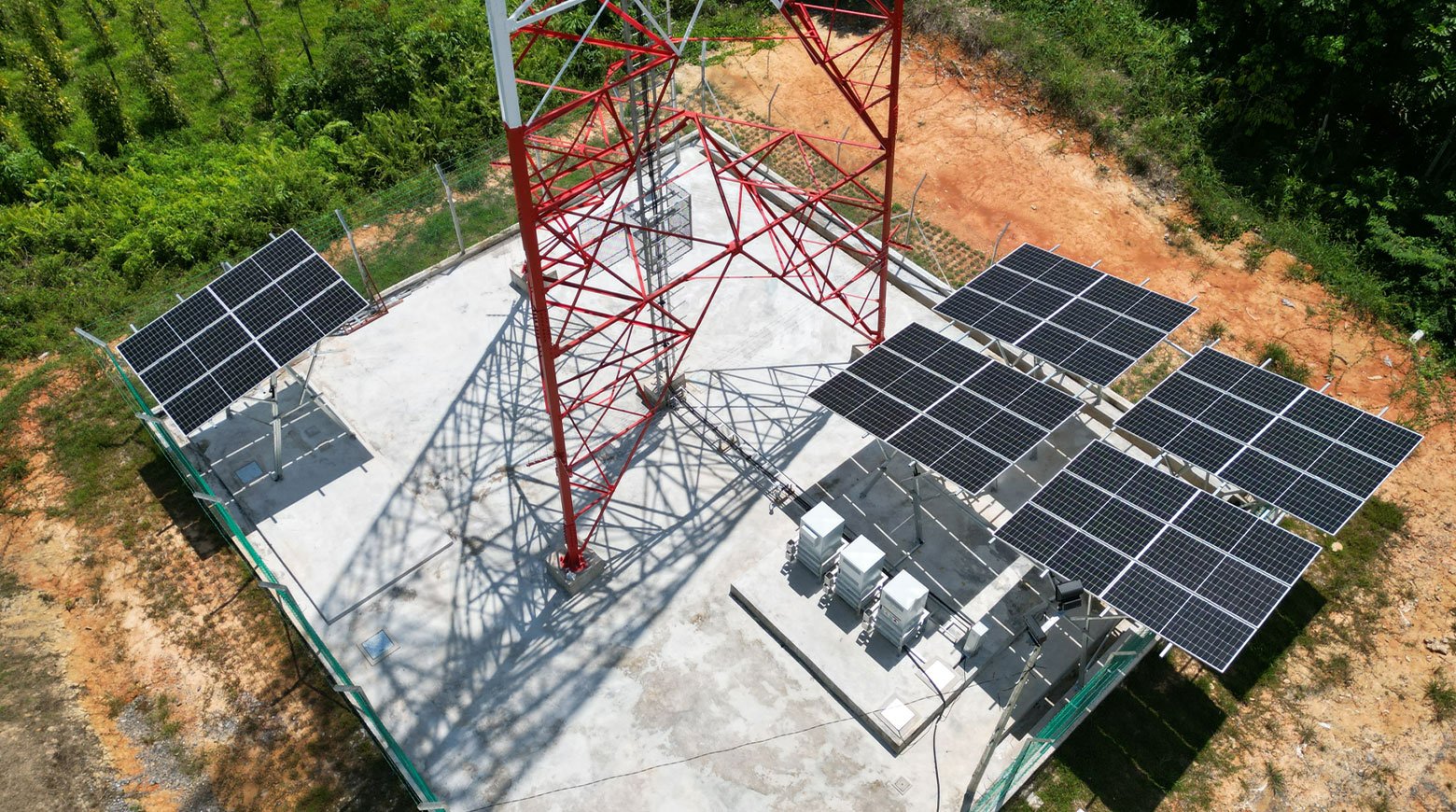

Tech13 hours ago
How a site power facility Fits a Real-World Site Design

Tech13 hours ago
How to Find the Cause of a Drop in Conversion Rates in an Ad Campaign

Tech6 days ago
Solar battery energy storage solution: A Technical Guide

Tech3 weeks ago
Why a liquid cooled charging station matters to a project

Tech3 weeks ago
Using a heavy truck charging station more effectively

Fitness4 weeks ago
Why You Need Strength Training for Muay Thai

Tech4 weeks ago
Smart Cooling: Preparing for the Next Wave of Dense IT Loads

Life Style1 month ago
Flower Delivery Warsaw Poland Beyond the Bouquet: Plants, Luxury Flowers and Stems

Celebrity1 month ago
Karen Lynch and Elizabeth Taylor: Two Remarkable Careers

Celebrity1 month ago
Safra Catz and John Stankey: Business Careers and Personal Lives

Celebrity1 year ago
Dixie Brubaker: Life Story of Dinesh D’Souza’s Former Wife

Celebrity2 years ago
JOP Net Worth 2025: How Rich Is the Fuerza Regida Frontman?

Life Style1 year ago
Who Is Khalyla Kuhn? Life, Family, and Career of Bobby Lee’s Partner

Celebrity1 year ago
Jaidyn Alexis Age: How the Star Balances Motherhood, Music, and Fame

Life Style1 year ago
Rouba Saadeh: Life, Career, and Everything About Michele Morrone’s Ex-Wife

Celebrity1 year ago
All About David Rubulotta – Age, Career, Family, and Life with Erin Burnett

Celebrity2 years ago
Who is Harry Joseph Letterman? Facts About David Letterman’s Son

Life Style1 year ago
Who Is Terrence Duckett? Facts About Jasmine Guy’s Ex-Husband

Celebrity1 year ago
Who Is Rebecca Romney? Life, Work, and Personal Story

Celebrity2 years ago
Cindy Costner Net Worth – Inside the Life of Kevin Costner’s First Love
Tech13 hours ago
How a site power facility Fits a Real-World Site Design
Tech13 hours ago
How to Find the Cause of a Drop in Conversion Rates in an Ad Campaign
Tech6 days ago
Solar battery energy storage solution: A Technical Guide
Tech3 weeks ago
Why a liquid cooled charging station matters to a project
Tech3 weeks ago
Using a heavy truck charging station more effectively
Fitness4 weeks ago
Why You Need Strength Training for Muay Thai
Tech4 weeks ago
Smart Cooling: Preparing for the Next Wave of Dense IT Loads
Life Style1 month ago
Flower Delivery Warsaw Poland Beyond the Bouquet: Plants, Luxury Flowers and Stems
Celebrity1 month ago
Karen Lynch and Elizabeth Taylor: Two Remarkable Careers
Celebrity1 month ago