
Tech
EV Chargers for Business at Retail Destinations in Practice
Published
13 hours agoon
By
Admin
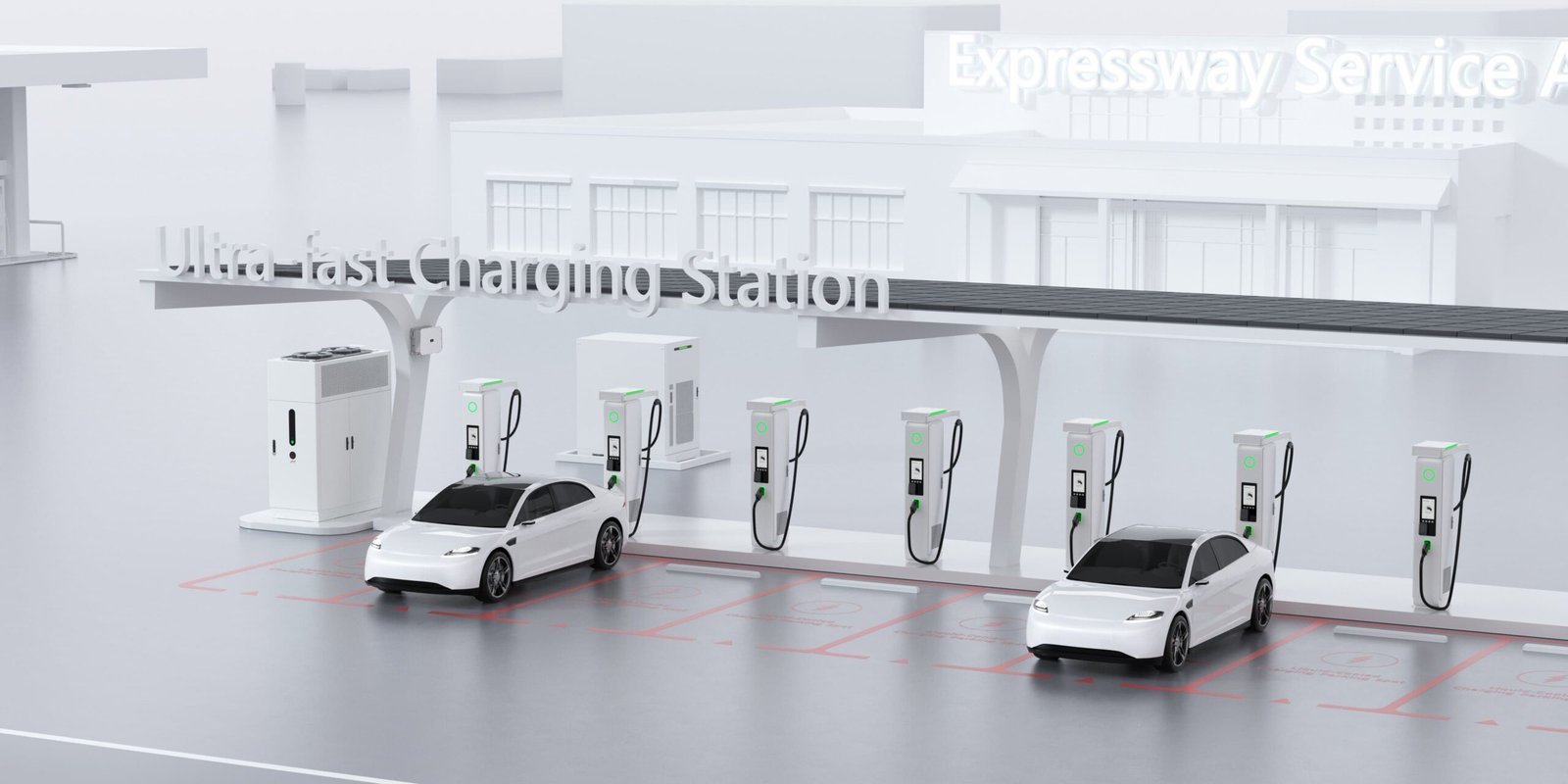
For a hotel or shopping property adding public charging, equipment decisions must follow the required service and the conditions of the actual site. Businesses installing EV chargers must decide how charging fits the building electrical system and the experience of employees, customers or fleet drivers. Huawei Digital Power’s smart charging network portfolio illustrates how centralized DC conversion, charging dispensers and monitored power allocation can operate as one site solution. In this context, ev chargers for business brings together specific components and controls rather than a single isolated device.
Visitors expect obvious parking directions and chargers that can complete a normal session without complex site procedures. Equipment ratings, control policies and the responsibilities of the operating team should therefore be aligned before commissioning. A design assumption should be documented when it cannot yet be confirmed by measurements.
Table of Contents
ToggleSite electrical foundations
For high-power DC charging, a centralized power cabinet can feed dispensers located near parking spaces. The arrangement separates heavy conversion equipment from vehicle access, with the final cable path and protective zoning defined by the site layout.
Business premises may combine AC charging for long dwell times with DC dispensers for fast turnover. Both options require connector compatibility, coordinated protection, reliable communications and a clear ownership model for maintenance.
Energy allocation and integration
Smart allocation can limit the aggregate charging load when the property approaches its import ceiling. A DC power-sharing system can redirect unused capacity among active sessions without promising that every connected vehicle will receive peak output.
Where PV or an on-site battery is present, charging schedules can consider local generation and electricity prices. The control design must still leave overcurrent protection and battery safety functions independent from economic dispatch.
Daily user and maintenance needs
Driver access includes clear bay identification, simple initiation and practical cable handling. Accessibility and safe circulation have to be considered early because a charger’s usable reach is determined by vehicle positions and the installation geometry.
Operators should plan for connector wear, cooling-system inspection where applicable, software updates and network outages. A remote dashboard is valuable when it produces actionable alarms and supports repair without affecting unrelated equipment.
Operating and expansion decisions
The commercial case should use expected sessions, energy per visit, dwell time and site tariffs. Peak power may be necessary for some users, but it does not by itself establish the number of dispensers required.
Performance reviews should connect availability, completed sessions, delivered energy and peak import with building operations. That is the basis for deciding when to add charging capacity or adjust scheduling rules.
These considerations show why ev chargers for business should be specified by its architecture, operating limits and interfaces. For a business, EV charging is a managed electrical service that must coexist with the primary site. Integrated power controls and practical equipment placement make charging easier to operate at the capacity the property can actually support. The final selection still depends on applicable standards, actual site conditions and model-specific documentation.
EV Chargers for Business at Retail Destinations in Practice
How a site power facility Fits a Real-World Site Design
How to Find the Cause of a Drop in Conversion Rates in an Ad Campaign
Solar battery energy storage solution: A Technical Guide
Why a liquid cooled charging station matters to a project
Using a heavy truck charging station more effectively
Why You Need Strength Training for Muay Thai
Smart Cooling: Preparing for the Next Wave of Dense IT Loads
Flower Delivery Warsaw Poland Beyond the Bouquet: Plants, Luxury Flowers and Stems
Karen Lynch and Elizabeth Taylor: Two Remarkable Careers
Dixie Brubaker: Life Story of Dinesh D’Souza’s Former Wife
JOP Net Worth 2025: How Rich Is the Fuerza Regida Frontman?
Who Is Khalyla Kuhn? Life, Family, and Career of Bobby Lee’s Partner
Jaidyn Alexis Age: How the Star Balances Motherhood, Music, and Fame
Rouba Saadeh: Life, Career, and Everything About Michele Morrone’s Ex-Wife
All About David Rubulotta – Age, Career, Family, and Life with Erin Burnett
Who is Harry Joseph Letterman? Facts About David Letterman’s Son
Who Is Rebecca Romney? Life, Work, and Personal Story
Who Is Terrence Duckett? Facts About Jasmine Guy’s Ex-Husband
Cindy Costner Net Worth – Inside the Life of Kevin Costner’s First Love
EV Chargers for Business at Retail Destinations in Practice
How a site power facility Fits a Real-World Site Design
How to Find the Cause of a Drop in Conversion Rates in an Ad Campaign
Solar battery energy storage solution: A Technical Guide
Why a liquid cooled charging station matters to a project
Using a heavy truck charging station more effectively
Why You Need Strength Training for Muay Thai
Smart Cooling: Preparing for the Next Wave of Dense IT Loads
Flower Delivery Warsaw Poland Beyond the Bouquet: Plants, Luxury Flowers and Stems
