Connect with us

Life Style

How to Look After a Japanese Maple in Any Climate

Published

on

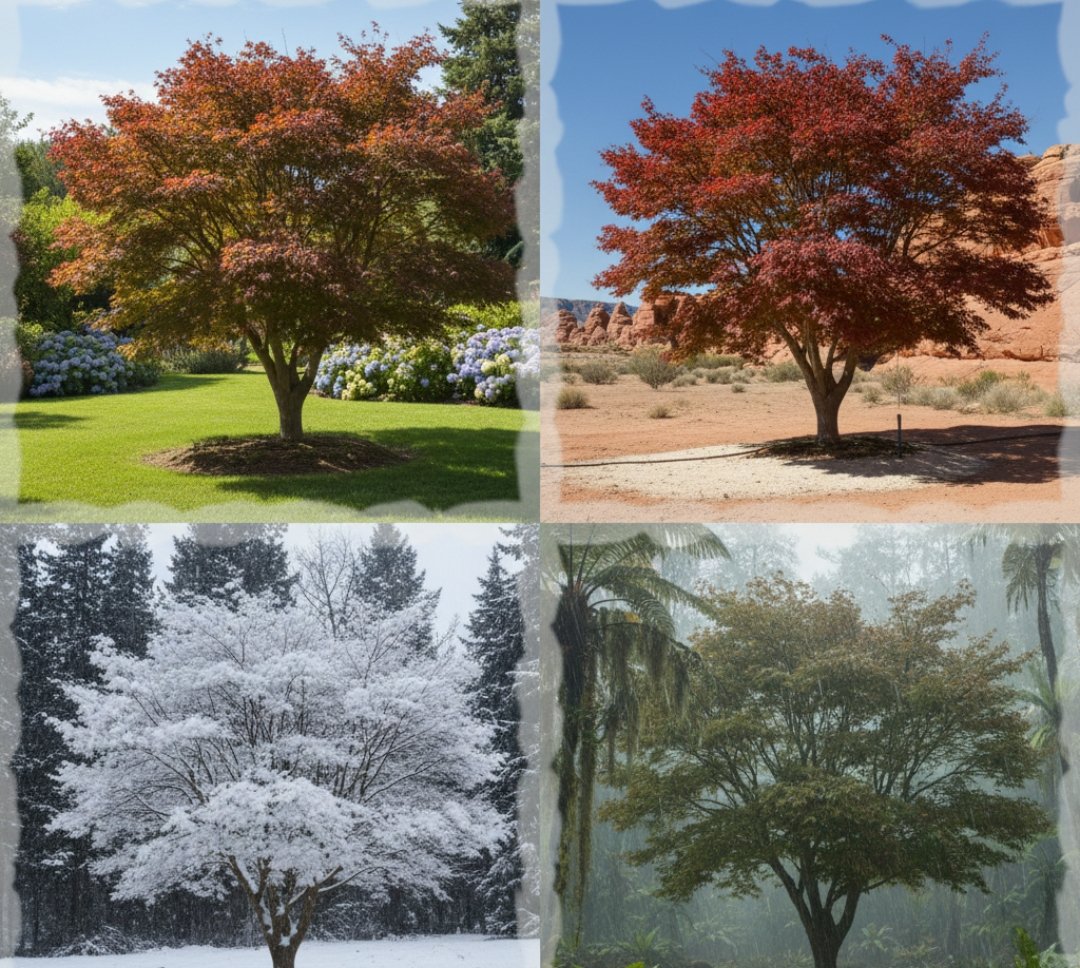
Japanese maples are cherished for their stunning aesthetics, elegant silhouettes, and vibrant foliage, making them a favored choice among garden enthusiasts. However, caring for these exquisite trees comes with its unique set of challenges that vary based on climate conditions. Understanding how to adapt your care techniques can ensure your Japanese maple thrives no matter where you are located. From hot summers to chilly winters, these trees can flourish with the right approach.

To successfully care for a Japanese maple, it’s important to get acquainted with their specific needs from sunlight exposure to watering requirements. Fortunately, a well-crafted guide on how to look after a Japanese maple plant can help you navigate these challenges effectively. 

With the right knowledge and techniques, you can turn your garden into a tranquil oasis filled with the beauty of these majestic trees.

Selecting the Right Variety for Your Climate

The first step in successfully caring for a Japanese maple is selecting the right variety that suits your climatic conditions. Different cultivars thrive under varying temperature ranges and moisture levels. For instance, in warmer regions, varieties known for their heat tolerance, such as Acer palmatum ‘Bloodgood’, can handle high temperatures while maintaining their vibrant red foliage. 

On the other hand, if you live in a cooler climate, some maples like Acer japonicum are more suited for frigid winters, demonstrating exceptional hardiness.

Being mindful of the specific climate in your area can significantly affect how well your Japanese maple adapts and flourishes. When you align your selection with the local environment, you ensure that the tree not only grows but also showcases its full beauty. Therefore, understanding the unique characteristics of the different maple types is vital for any gardener wanting to create an enchanting landscape.

Ideal Planting Conditions

Planting conditions play a crucial role in the successful establishment of a Japanese maple. Choose a location that can provide the right mix of sunlight and shade. Ideally, these trees thrive in areas with morning sunlight and afternoon dappled shade. This balance allows the tree to benefit from the sun’s nourishment without suffering from the harshness of hot afternoon rays.

Additionally, soil quality cannot be overlooked. Japanese maples prefer well-drained, moist soil rich in organic matter. To achieve this, consider amending the soil with compost or mulch to improve its structure and moisture retention. Digging a hole that is two to three times wider than the root ball can also promote better root expansion. By setting the tree in well-prepared soil and optimal light conditions, you’ll create a foundation that encourages healthy growth.

Watering Strategies for Different Climates

Watering is a critical aspect of Japanese maple care, and it must be adapted according to the climate. Generally, these trees require consistent moisture but can also be sensitive to overwatering. In hot climates, regular monitoring is essential as the higher temperatures can cause rapid evaporation. Water your Japanese maple deeply every few days, ensuring that the moisture reaches its roots without pooling around the base, which can lead to root rot.

In cooler climates, watering intervals can be reduced, as these trees thrive with less frequent, deep watering during their dormancy phases. During rainy seasons, ensure the drainage is adequate to prevent waterlogging. If you notice the soil is drying excessively, consider implementing a soaker hose or drip irrigation system to maintain consistent moisture levels. This careful approach will help your Japanese maple flourish regardless of external weather conditions.

Fertilizing for Optimum Growth

Fertilization is another critical element for maintaining a healthy Japanese maple. A slow-release fertilizer designed for trees and shrubs should be applied in early spring as new growth begins to emerge. Look for formulas that are higher in nitrogen to support lush green foliage. However, moderation is key. Over-fertilization can lead to excessive leaf growth, making the tree susceptible to disease.

In dry climates, apply mulch around the base to conserve moisture and regulate soil temperature. During summer months, consider a second application of fertilizer if you notice weak growth or discoloration. Keeping an eye on your maple’s health will enable you to make timed adjustments, enhancing the tree’s vitality. With proper fertilization practices, you can ensure your Japanese maple showcases its stunning foliage for many seasons to come.

Pruning Techniques for Structural Integrity

Pruning is an integral aspect of Japanese maple care that enhances both health and aesthetics. It’s recommended to prune these trees during the late winter or early spring before new growth begins. Focus on removing any dead, damaged, or crossing branches, which encourages better air circulation and enhances the tree’s overall shape.

Be cautious not to over-prune, as this can stress the tree and hinder its growth. The aim is to maintain the tree’s natural form while fostering an open structure that allows light and air to penetrate. 

Regularly inspect your maple for signs of overcrowding, and remove older branches that seem to sap energy from younger, more vigorous ones. Thoughtful pruning not only maintains the beauty of your Japanese maple but also promotes its long-term health.

Pest Management and Disease Prevention

Understanding how to manage pests and prevent diseases is vital in ensuring your Japanese maple remains healthy throughout the year. Common pests include aphids, spider mites, and scale insects, which can affect the foliage and overall vigor of the tree. Regularly inspecting the leaves for any signs of pests will help you catch problems early. Natural insecticidal soaps and neem oil can be effective treatments for infestations.

In addition to pests, look out for signs of disease, such as leaf spots, wilting, or dieback. Ensuring good air circulation around the tree, along with proper watering and fertilization techniques, can mitigate many disease risks. If issues persist, consulting with a local arborist familiar with Japanese maples can provide additional guidance on treatment options tailored to your specific climate and conditions.

Enhancing the Landscape with Japanese Maples

Japanese maples are not only beautiful but can significantly enhance your landscape when planted with intention. Their varied colors, from deep reds to brilliant golds, can serve as focal points in your garden. Mixing different varieties can create a stunning array of seasonal changes, captivating viewers throughout the year.

Consider placing the maples near pathways or in view of outdoor seating areas to fully appreciate their beauty. When paired with contrasting plants or textured foliage, they can draw the eye and enrich the overall visual structure of your outdoor spaces. Positioned thoughtfully, Japanese maples will transform your garden into a serene oasis, inviting relaxation and contemplation.

FAQs

What is the best soil for planting a Japanese maple?

Japanese maples thrive in well-drained, moist soil that is rich in organic matter.

How often should I water my Japanese maple?

Water deeply every few days in hot climates and reduce frequency during cooler seasons.

What should I use for fertilizing my Japanese maple?

A slow-release fertilizer higher in nitrogen is ideal for promoting lush foliage and growth.

When is the best time to prune Japanese maples?

Prune in late winter or early spring before new growth appears to enhance tree shape and health.

How can I prevent pests and diseases on my Japanese maple?

Regular inspections, maintaining good air circulation, and using natural insecticidal treatments can help manage pests and diseases effectively.

Conclusion

Caring for Japanese maples requires an understanding of their specific needs, especially when adapting to various climate conditions. From selecting the right variety to employing thoughtful watering and fertilization practices, each decision contributes to the health and vitality of these stunning trees. 

Regular maintenance, such as pruning and pest management, ensures that your maples thrive in any environment. By utilizing these tips, you can create a thriving garden filled with the beauty and elegance that only Japanese maples can offer.

Continue Reading

Categories