
Health
How Modern Women Approach Ageing Today

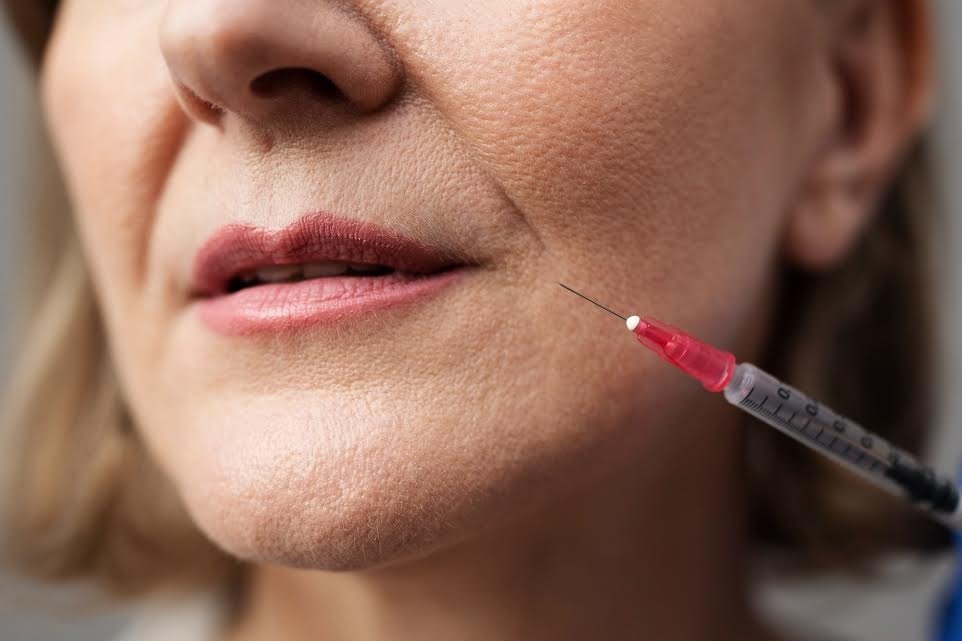
Women’s relationships with ageing have undergone a profound transformation over the past generation. The binary choice between accepting every wrinkle gracefully or pursuing extensive interventions attempting to halt time has dissolved into a nuanced middle ground where women increasingly embrace ageing whilst selectively addressing aspects that genuinely bother them.
This shift manifests in treatment preferences favouring subtle, preventative approaches over dramatic interventions. Polynucleotides exemplify this trend—regenerative injectable treatments that work with your biology to improve skin quality from within rather than simply filling lines or freezing muscles.
Understanding how modern women think about ageing, why regenerative treatments align with contemporary attitudes, and how to approach aesthetic decisions that honour both acceptance and action helps anyone navigating their own ageing journey in a world offering unprecedented options alongside persistent pressures about how women “should” age.
The Rejection of Binary Choices
Previous generations faced stark options: embrace natural ageing completely, accepting every change as a badge of wisdom, or pursue extensive cosmetic intervention, attempting to maintain youth indefinitely. This false dichotomy forced women into camps—either accepting everything or fighting everything.
Modern attitudes reject this binary. You can appreciate your laughter lines whilst preferring less prominent forehead creases. You can honour your body’s journey through motherhood whilst addressing specific post-pregnancy concerns. You can celebrate ageing as a privilege denied to many, whilst choosing treatments that help you feel comfortable in evolving skin.
This nuanced approach recognises that ageing is inevitable and natural, fighting it completely is futile and psychologically damaging, selective intervention based on personal preferences is valid, and the goal is comfort in your own skin, however that’s achieved.
Preventative Over Reactive: The Paradigm Shift
Modern women increasingly pursue preventative treatments before problems become pronounced rather than waiting until dissatisfaction drives intervention. This reflects several factors, including normalisation of aesthetic medicine, making early intervention socially acceptable, understanding that prevention is easier than correction, and the desire to age gradually rather than suddenly needing extensive correction.
Polynucleotides exemplify preventative philosophy. These injectable treatments containing DNA fragments from salmon or trout DNA stimulate cellular regeneration, improve hydration and elasticity, encourage collagen and elastin production, and enhance overall skin quality before dramatic ageing signs appear.
Natural Results: The New Aesthetic Ideal
The obviously “done” look that once signalled wealth and access to cosmetic procedures has fallen dramatically from favour. Modern women prioritise results so subtle that observers simply think you look healthy, rested, or “good for your age” without identifying specific interventions.
Polynucleotides deliver exactly this natural outcome. Effects develop gradually over weeks and months as skin quality improves from within. Rather than an overnight transformation, you notice subtle improvements—smoother texture, better hydration, diminished fine lines, improved elasticity, and that elusive “glow” reflecting genuinely healthier skin.
Friends might comment that you look well-rested or ask about new skincare routines. They won’t immediately identify “work done”—the improvement seems organic rather than artificial. This plausible deniability appeals enormously to women wanting enhancements without public commentary about interventions.
The natural results also mean polynucleotides photograph beautifully. No frozen expressions, no obvious filler lumps, no tight surgical appearance—just healthy-looking skin that translates well in photographs, increasingly dominating how we see ourselves and are seen by others.
Quality Over Quantity: Strategic Intervention
Modern women increasingly reject “more is more” attitudes toward aesthetic treatments. Rather than pursuing every available procedure, they’re selective, choosing interventions delivering genuine value aligned with personal concerns rather than accumulating treatments based on availability or trending procedures.
This strategic approach involves identifying specific concerns bothering you personally, researching treatments genuinely addressing those concerns, choosing quality practitioners over cheap options, and accepting that not every facial feature requires intervention.
For women prioritising skin quality, texture, and natural-looking improvements, polynucleotides often provide better value than more aggressive alternatives. While more expensive per session than some treatments—typically £350-600—they address foundational skin health rather than just masking symptoms.
Treatment protocols typically involve 2-3 sessions spaced weeks apart initially, with maintenance sessions every 6-12 months. This commitment of time and money suits women who view aesthetic treatments as long-term self-care investments rather than quick fixes.
The Integration of Wellness and Aesthetics
Modern women increasingly view aesthetic treatments as a component of holistic wellbeing rather than vanity, separate from health. Polynucleotides fit this integrated approach—they’re regenerative medicine applied to aesthetic concerns, leveraging biological healing mechanisms rather than just covering problems.
This wellness-aesthetic integration reflects broader trends where women prioritise overall health, recognise skin as an organ reflecting internal health, understand aesthetic treatments as medical procedures requiring qualified practitioners, and view self-care—including aesthetic treatments—as a legitimate health investment.
Polynucleotides appeal particularly to women already investing in health—those taking supplements, prioritising sleep, exercising regularly, and maintaining quality skincare routines. Adding regenerative treatments extends their comprehensive approach to ageing well rather than representing an isolated cosmetic intervention disconnected from a broader health focus.
Autonomy and Choice: Redefining “Ageing Gracefully”
Perhaps the most significant shift in modern women’s approaches to ageing is reclaiming autonomy over what “ageing gracefully” means. Previous generations received prescriptive advice—age naturally without complaint, or pursue youth at any cost. Modern women reject others’ definitions, instead defining grace on their own terms.
For some, ageing gracefully means embracing every change without intervention. For others, it means strategic treatments addressing specific concerns whilst accepting broader ageing. Both choices and everything between are valid when made from self-determination rather than external pressure.
Polynucleotides support this autonomy. They’re subtle enough that pursuing them doesn’t indicate rejection of ageing. They’re effective enough that choosing them delivers meaningful improvements. And they’re sophisticated enough that using them demonstrates engagement with modern regenerative medicine rather than desperate clinging to youth.
Practical Considerations
For women considering polynucleotides, several practical factors matter. Treatment requires qualified medical practitioners—doctors or specialist nurses experienced in regenerative aesthetics. Polynucleotides involve genuine medical procedures, not casual beauty treatments.
Results aren’t immediate—patience is essential as improvements develop gradually. This suits women who are comfortable with subtle, natural-looking enhancement rather than those seeking instant, dramatic transformation.
Costs represent genuine investment—initial treatment courses cost £700-1,500+, with annual maintenance adding hundreds more. This positions polynucleotides for women able to invest meaningfully in aesthetic treatments rather than those seeking budget options.
Multiple sessions are necessary—these aren’t one-and-done treatments. Commitment to completing initial protocols and maintaining results matters for achieving and sustaining benefits.
The conversation isn’t whether women should accept or fight ageing. It’s about claiming autonomy to navigate ageing authentically—with treatments when they genuinely serve wellbeing, without them when they don’t, and always on terms reflecting individual values rather than external expectations. That’s genuine grace—not in accepting or rejecting everything, but in thoughtfully choosing what serves your unique journey.

A Sociological Look at Discord Study Groups and Gen Z Lifestyle

Transforming Your Bedroom into a Personal Sanctuary: A Woman’s Guide to Style and Function in 2026

How The Best Laser For Wrinkles Can Transform Your Skincare Routine

7 Benefits of Hearing Aid in Malaysia for Seniors

Scott Patterson’s First Wife, Vera Davich: Everything You Need to Know

All About Shaherah White: Barry White’s Daughter, Family, and Journey

Understanding Investment Thresholds for Permanent cand Citizenship Pathways

Who Is AJ Lambert? Her Career, Style, and Legacy

Daniella Liben’s Journey: Family, Career, and Life With Adam Pally

6 Ways Dentist In Bensalem, PA Helps Maintain Oral Health

Dixie Brubaker: Life Story of Dinesh D’Souza’s Former Wife

JOP Net Worth 2025: How Rich Is the Fuerza Regida Frontman?

Rouba Saadeh: Life, Career, and Everything About Michele Morrone’s Ex-Wife

All About David Rubulotta – Age, Career, Family, and Life with Erin Burnett

Who is Harry Joseph Letterman? Facts About David Letterman’s Son

Who Is Rebecca Romney? Life, Work, and Personal Story

Who Is Terrence Duckett? Facts About Jasmine Guy’s Ex-Husband

All About Ryan McPartlin: Career, Acting, Family, and More

Cindy Costner Net Worth – Inside the Life of Kevin Costner’s First Love

Who Is Khalyla Kuhn? Life, Family, and Career of Bobby Lee’s Partner
A Sociological Look at Discord Study Groups and Gen Z Lifestyle
Transforming Your Bedroom into a Personal Sanctuary: A Woman’s Guide to Style and Function in 2026
How The Best Laser For Wrinkles Can Transform Your Skincare Routine
7 Benefits of Hearing Aid in Malaysia for Seniors
Scott Patterson’s First Wife, Vera Davich: Everything You Need to Know
All About Shaherah White: Barry White’s Daughter, Family, and Journey
Understanding Investment Thresholds for Permanent cand Citizenship Pathways
Who Is AJ Lambert? Her Career, Style, and Legacy
Daniella Liben’s Journey: Family, Career, and Life With Adam Pally