
Health
Traditional Confinement Herbs: Benefits, Uses, and Modern Applications

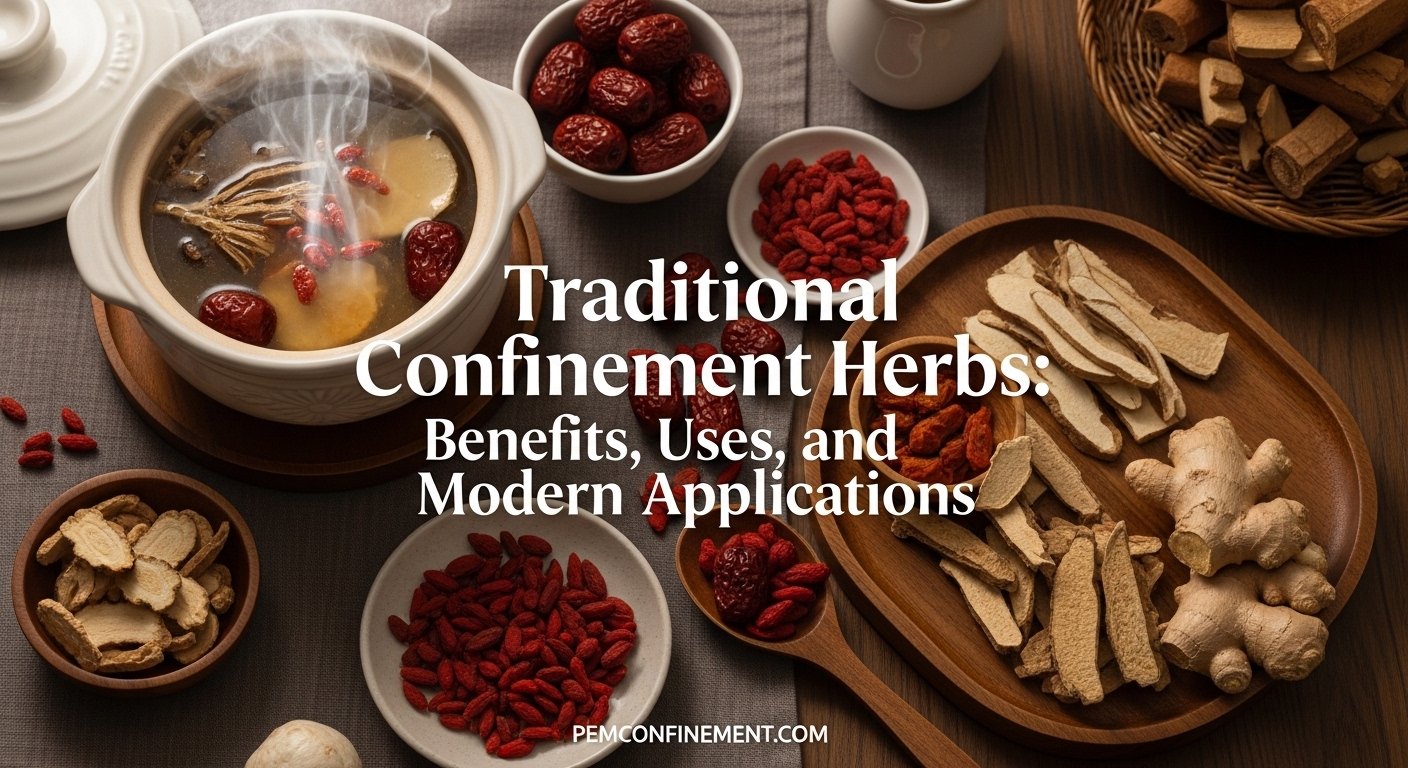
If you are planning your postpartum routine in Singapore, Traditional Confinement Herbs often come up early in your research. You might feel torn between honouring family practices and keeping things practical, safe, and suitable for your body after birth.
This guide explains what confinement herbs typically do, how families use them (in soups, tonics, and herbal baths), and how mums today adapt them in modern homes without guessing or overdoing it.
Traditional Confinement Herbs: benefits, uses, and modern applications
Confinement herbs refer to plant-based ingredients used during the postpartum period across Chinese, Malay, and Indian traditions. Families usually prepare them in foods, teas, and baths to support rest and recovery.
You will also hear about TCM (Traditional Chinese Medicine), a system of traditional healing that uses herbs, food therapy, and body-based methods. In TCM, people describe “qi” as vital energy and “blood” as nourishment and support for circulation. These are traditional concepts, not medical diagnoses.
Why herbs feel helpful to many mums
Researchers have reported high usage of herbal products among pregnant and postpartum women in some cohorts, including oral use in up to 94% of participants, with ginger among the most common (28%). In Asian postpartum studies, 66.2% used TCM approaches, often herbs and massage.
In another report, women reported high satisfaction with herbal decoctions (herbs simmered in water to extract compounds), with 76.47% satisfaction and 98.53% saying they would use them again. Many reported improvements in “wind” discomfort and in lochia clearance (lochia refers to the normal bleeding and discharge after birth).
These numbers do not mean every herb suits every mum, but they show why so many families still value traditional confinement herbs.
Common benefits families aim for (and what that looks like in real life)
Different herbs target different goals, and families often combine them as a confinement herb package. Here are the most common aims, with practical examples.
- Warmth and comfort for the body
Families often use warming ingredients like ginger or lemongrass to reduce chills and general aches after delivery. - Nourishment and energy support
Herbs such as Dang Gui (Angelica sinensis) and Huang Qi (Astragalus) are common in many Chinese-style soup blends families use to support strength and stamina during recovery. - Digestion and appetite support
Ingredients like Chinese yams are commonly used in soups to keep meals gentle and nourishing when appetite is unpredictable. - Postpartum bath support
Many traditions use herbal baths to support comfort and relaxation, often with ginger- or lemongrass-based blends.
A quick guide to how herbs are used during confinement
Most mums in Singapore use herbs in a few practical formats. Each option has a different intensity and time commitment.
| Format | What it is | Typical fit for modern homes |
| Herbal soups | Herbs cooked with meat, fish, or vegetables | Easy to pair with daily meals |
| Herbal teas | Light simmer or steeping | Useful when you want something simple between feeds |
| Decoctions | Longer simmer, more pungent taste | Best when someone else can prepare and portion it |
| Herbal bath | Herbs are boiled, then added to the bath water | Works well when you prefer external use |
If you want to understand what is included in a ready-to-use option, you can check the full details here.
Popular herbs and ingredients you may see (and why they appear)
You do not need to memorise long lists, but it helps to recognise common names so you can ask better questions.
Commonly used ingredients in Chinese-style confinement:
- Dang Gui (Angelica): traditionally used in nourishing soups, often discussed in relation to “blood” replenishment within TCM concepts
- Huang Qi (Astragalus): commonly included for energy support and fatigue
- Red dates, black dates, wolfberries: frequently used to improve taste and add gentle nourishment
- Dang Shen: often used in soup blends for “qi” support in the TCM language
Commonly used in Malay-style berpantang:
- Lemongrass and ginger: often used for warming and comfort, including in herbal bath preparation
- Turmeric family ingredients: sometimes used in warming food routines (your suitability can vary)
Commonly used in Indian postpartum food traditions:
- Warming spices (varies by family): often included in simple dishes to support warmth and digestion
Modern applications: how mums can keep it safe and realistic
Today’s postpartum routines often include shorter confinement periods, limited kitchen time, and different birth recoveries (including C-section care). You can still use Traditional Confinement Herbs in a way that respects both tradition and your real schedule.
Practical approaches many families take:
- Choose soups and teas over complex decoctions if you feel overwhelmed
- Start gently, then adjust based on how your body feels (for example, hydration, appetite, bowel comfort, sleep)
- Keep a simple log of what you take so you can share it with your doctor if needed
- Prioritise food safety and cleanliness in preparation and storage
If you want convenience without losing structure, many mums consider a confinement herb package that is pre-portioned for specific uses (soups, baths, tonics). When you compare options, the best confinement herbal package Singapore should mean clear labelling, sensible instructions, and preparation support, not just a long ingredient list.
Safety and myth-checks you should know before you start
Herbs can interact with medications and can worsen specific symptoms. Some risks are more common when people use off-the-shelf blends without guidance.
Keep these points in mind:
- Do not assume all herbs are safe because they are “natural”
- Some herbs may not suit you if you have heavy bleeding, certain medical conditions, or if you take blood-thinning medication
- Too many warming ingredients may contribute to heatiness or dryness for some mums
- Tell your doctor what you take, because studies show herb use often goes undocumented in medical records, including among multicultural postpartum groups
Seek medical help promptly if you experience severe pain, heavy bleeding, fever, or overwhelming low mood. Postpartum depression is a serious medical condition and needs professional support.
How PEM supports mums who want herbs done properly
PEM nannies support your recovery with structured, 1-to-1 personalised care that fits your home and your preferences. They prioritise day and night baby care so you can rest, while also handling key confinement tasks that often feel hard to manage alone.
PEM brings experience you can rely on:
- 30+ years in the industry
- 550+ nannies
- Served 50,000+ mothers
- 150 hours of training for every nanny, based on modules reviewed by a leading mum and baby expert
- Guaranteed arrival, so you can plan your postpartum period with confidence
Within the nanny’s job scope, PEM nannies focus on:
- Day and night baby care
- Confinement food and tonic cooking
- Herbal bath preparation
- Breastfeeding guidance
- Laundry
When you choose an add-on herbal package, PEM nannies are trained to prepare herbal packages. Mothers can add on the package at a special rate, so you can keep your routine consistent without needing to measure, boil, and portion everything yourself.
Choosing what fits your trimester planning
If you are still pregnant, a simple way to plan is to match herb usage style to your expected postpartum reality.
Consider these questions:
- Who will cook daily meals after birth?
- Do you prefer soups, teas, or a herbal bath routine?
- Do you have a planned C-section or specific recovery concerns to discuss with your doctor?
- Will you breastfeed, and do you want practical breastfeeding guidance at home?
Clear answers help you pick a routine that feels supportive instead of stressful.
Traditional Confinement Herbs can play a meaningful role in postpartum care when you keep the approach practical and personalised. If you want structured support with day and night baby care, confinement food, and herb preparation at home, reach out here.
Enquire now or get a free quote.

How to Pair Unicity Unimate with Strength Training

Traditional Confinement Herbs: Benefits, Uses, and Modern Applications

Perfect Outfit Ideas to Wear for Your Wedding Anniversary Dinner

Top Syna x Nike Jackets to Elevate Your Streetwear Look

The Untold Story of Patricia Lofton, Oprah Winfrey’s Half-Sister

Who Is Dana Gadot? Exploring the Life of Gal Gadot’s Family

Who Is Derrick Henry’s Girlfriend? Meet Adrianna Rivas

How Moms Can Teach Kids to Save Electricity at Home

All You Need to Know About Demi Lovato’s Husband Jutes

Meet Georgia Groome, Rupert Grint Girlfriend and Longtime Partner

Dixie Brubaker: Life Story of Dinesh D’Souza’s Former Wife

JOP Net Worth 2025: How Rich Is the Fuerza Regida Frontman?

Rouba Saadeh: Life, Career, and Everything About Michele Morrone’s Ex-Wife

All About David Rubulotta – Age, Career, Family, and Life with Erin Burnett

Who Is Rebecca Romney? Life, Work, and Personal Story

Who is Harry Joseph Letterman? Facts About David Letterman’s Son

Who Is Terrence Duckett? Facts About Jasmine Guy’s Ex-Husband

Cindy Costner Net Worth – Inside the Life of Kevin Costner’s First Love

All About Ryan McPartlin: Career, Acting, Family, and More

Who is Jason The Ween? Bio, Career, Age, and More
How to Pair Unicity Unimate with Strength Training
Traditional Confinement Herbs: Benefits, Uses, and Modern Applications
Perfect Outfit Ideas to Wear for Your Wedding Anniversary Dinner
Top Syna x Nike Jackets to Elevate Your Streetwear Look
The Untold Story of Patricia Lofton, Oprah Winfrey’s Half-Sister
Who Is Dana Gadot? Exploring the Life of Gal Gadot’s Family
Who Is Derrick Henry’s Girlfriend? Meet Adrianna Rivas
How Moms Can Teach Kids to Save Electricity at Home
All You Need to Know About Demi Lovato’s Husband Jutes