
Life Style
Robert Loggia: The Life and Legacy of a Hollywood Character Actor

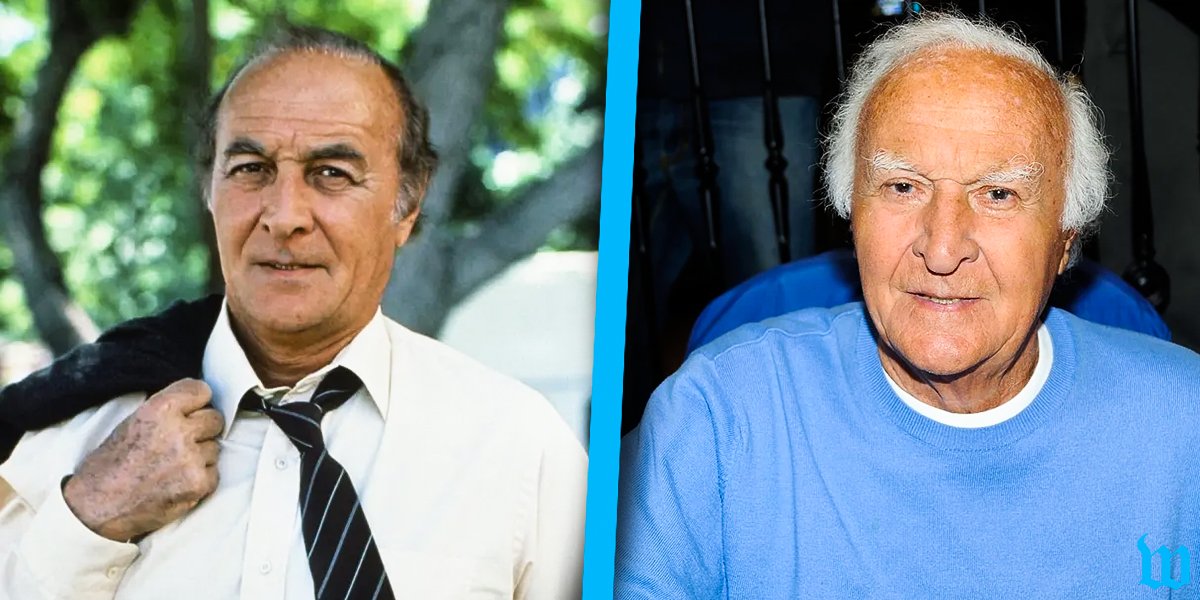
Robert Loggia was one of those rare performers whose presence could instantly steady a scene. He was not always the leading man, yet he often felt essential to the emotional weight of a story. With a career that stretched across more than six decades, Loggia became a defining example of what it means to be a true character actor in Hollywood. His work carried authority, subtlety, and depth, earning him admiration from audiences and peers alike.
Born on January 3, 1930, in Staten Island, New York, Loggia grew up in a working-class Italian-American family. His birth name was Salvatore Loggia, a reflection of his Sicilian heritage. Over time, he would adopt the name Robert Loggia as he pursued a professional acting career, a common practice in mid-century Hollywood. He passed away on December 4, 2015, at the age of 85, leaving behind an enduring body of work that continues to be rediscovered by new generations.
Profile Summary
| Detail | Information |
|---|---|
| Full Name | Robert Loggia |
| Birth Name | Salvatore Loggia |
| Date of Birth | January 3, 1930 |
| Date of Death | December 4, 2015 |
| Age at Death | 85 Years |
| Birthplace | Staten Island, New York, United States |
| Nationality | American |
| Height | 5 ft 10 in (1.78 m) |
| Profession | Actor |
| Years Active | 1951–2015 |
| Children | Three |
| Estimated Net Worth | Approximately $10 Million |
| Notable Recognition | Academy Award Nominee, Emmy Nominee |
Early Life and Background
Loggia was raised in a household shaped by discipline and traditional values. His father worked as a shoemaker, and his upbringing instilled in him a strong work ethic that later defined his career. Growing up in New York during the 1930s and 1940s meant understanding resilience early. The city was vibrant but demanding, and those early experiences influenced the grounded quality he brought to his performances.
Education played a meaningful role in his early life. He attended the University of Missouri, where he completed his degree. Although he initially pursued journalism, his interests gradually shifted toward performance. The desire to tell stories visually and emotionally proved stronger than any other ambition. After college, he served in the United States Army, where he worked in broadcasting. That period strengthened his confidence in front of an audience and refined his communication skills.
Training and Early Career
After military service, Loggia returned to New York to study acting seriously. He trained at the Actors Studio, a respected institution known for developing disciplined performers. The experience shaped his approach to character work. He learned to search for emotional truth within every role, even in supporting parts that might have seemed limited on paper.
His early career unfolded primarily on television. During the 1950s and 1960s, he appeared in a wide range of series, gradually building a reputation as a reliable and compelling performer. These appearances were not glamorous, but they were crucial. They allowed him to refine his craft and demonstrate versatility. He was never confined to a single type, though authority figures and strong personalities naturally suited his voice and physical presence.
Rise in Film
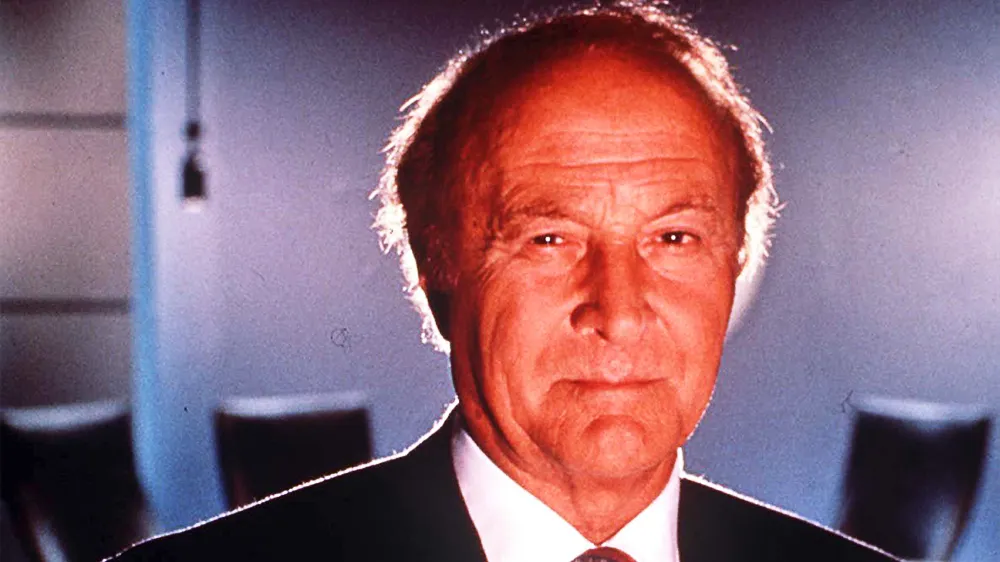
Loggia’s film career gained major attention in the 1980s. His role as Frank Lopez in the 1983 crime drama Scarface remains one of his most recognizable performances. He portrayed a powerful yet vulnerable figure with measured intensity, avoiding caricature and instead presenting a layered human being. The performance helped cement his place in modern cinema.
In 1985, he delivered a standout performance in Jagged Edge, earning an Academy Award nomination for Best Supporting Actor. The nomination marked a high point in his career and highlighted his ability to elevate a film through nuance rather than spectacle. He was never flashy for the sake of attention; instead, he relied on timing, expression, and carefully controlled dialogue delivery.
A different side of Loggia appeared in the 1988 film Big. In a memorable scene that balanced humor and warmth, he demonstrated that he was far more than a dramatic heavy. His performance earned him a Saturn Award and broadened public perception of his range. The ability to move between intense drama and heartfelt comedy defined much of his later career.
Television Success
While film gave him iconic moments, television provided consistency and visibility. Loggia starred in the crime drama Mancuso, F.B.I., portraying a determined federal agent navigating complex cases. The role earned him an Emmy nomination and confirmed his capability as a leading presence on the small screen.
Beyond starring roles, he continued to appear in a variety of television series across decades. Whether as a judge, a military officer, or a morally conflicted figure, he brought credibility to each appearance. Directors valued him for his preparation and professionalism, and viewers appreciated the authenticity he conveyed.
Physical Appearance and Presence
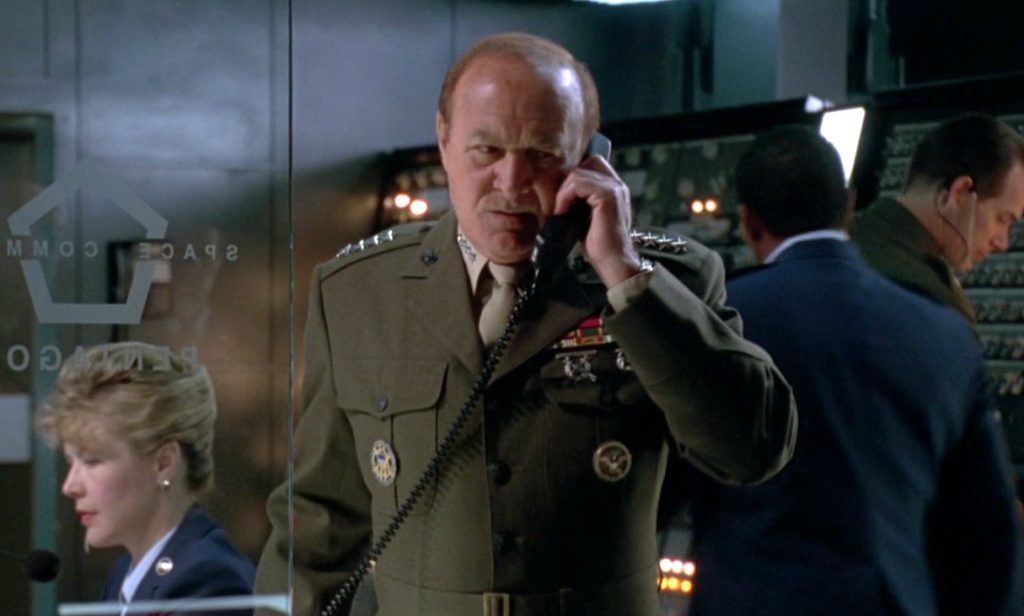
Robert Loggia stood approximately 5 feet 10 inches tall, with a solid build that contributed to his authoritative screen image. His posture was confident, and his facial features conveyed both strength and contemplation. As he aged, his lined face added depth to the characters he portrayed.
Perhaps his most distinctive trait was his voice. Slightly raspy yet controlled, it carried natural authority. The cadence of his speech allowed him to dominate scenes without raising his volume. That vocal quality became a signature element of his performances and is still instantly recognizable in clips and recordings.
Personal Life and Family
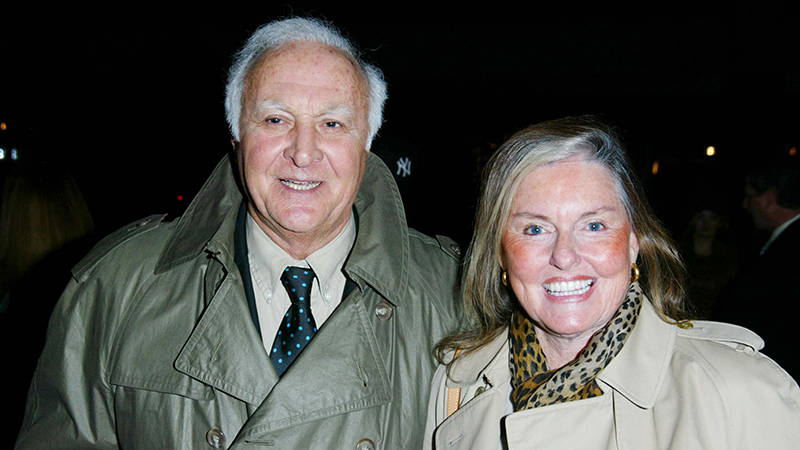
Loggia’s personal life remained largely private compared to modern celebrity standards. He was married twice and had three children. Family played a central role in his life, even as his career demanded long hours and travel. He valued stability and maintained close relationships with his loved ones.
Despite portraying intimidating characters, those who worked with him frequently described him as thoughtful and professional. He was known for arriving prepared and respecting the collaborative nature of filmmaking. His off-screen demeanor contrasted with some of his tougher on-screen personas, demonstrating the separation between actor and role.
Later Years and Health
Loggia continued acting well into his later years, demonstrating remarkable dedication to his craft. Even as the industry evolved with new technologies and storytelling formats, he remained relevant. His adaptability allowed him to transition smoothly between eras of filmmaking.
In his later years, he faced health challenges. He passed away in Los Angeles on December 4, 2015, at the age of 85. His death marked the end of a career that had touched nearly every corner of American entertainment, from early television dramas to major studio blockbusters.
Net Worth and Financial Standing
Over the course of more than sixty years in film and television, Robert Loggia accumulated substantial professional success. While exact financial details were never publicly confirmed, widely reported estimates placed his net worth at approximately 10 million dollars at the time of his passing. This figure reflects decades of steady employment rather than reliance on a single blockbuster payday.
His financial legacy illustrates the value of longevity in the entertainment industry. Rather than fleeting fame, Loggia built a durable career sustained by consistent performances and industry respect.
Social Media and Public Image
Robert Loggia’s rise to fame occurred long before the emergence of social media platforms. As a result, he did not maintain official social media accounts. His public image was shaped through interviews, film appearances, and traditional media coverage rather than online branding.
In today’s digital environment, many tribute pages and fan accounts celebrate his work, but these are not official profiles. His legacy remains anchored in his performances rather than in personal online engagement.
Cultural Impact and Legacy
The importance of Robert Loggia’s career lies not only in awards or recognition but in consistency. He represented the strength of character actors who support and elevate stories without demanding the spotlight. His performances often grounded larger narratives, giving emotional weight to pivotal moments.
He proved that supporting roles can leave lasting impressions. In films such as Scarface, Jagged Edge, and Big, his presence shaped the tone of the story. Younger actors have cited the value of studying performers like Loggia to understand restraint and control in acting.
His Ellis Island Medal of Honor, awarded in 2010, symbolized recognition of his contributions to American culture and his immigrant heritage. It reflected both personal pride and professional accomplishment.
Enduring Relevance
Even years after his passing, Robert Loggia remains a familiar face in film retrospectives and streaming catalogs. Audiences encountering his work for the first time often note the timeless quality of his performances. He did not rely on trends or exaggerated mannerisms. Instead, he relied on clarity, emotional truth, and discipline.
That reliability is what defines his legacy. He demonstrated that success in Hollywood does not always require constant reinvention or self-promotion. Sometimes it requires dedication to craft, respect for storytelling, and the patience to build a career step by step.
Conclusion
Robert Loggia’s life reflects the journey of a performer who earned his place through perseverance and authenticity. From his beginnings in Staten Island to his Academy Award nomination and decades of respected work, he embodied the strength of a true character actor. At 85 years old, he left behind not only films and television credits but a standard of professionalism that continues to inspire.
His age, height, family life, estimated net worth, and physical presence are all part of his story, yet the heart of his legacy lies in something less measurable. It lies in the quiet authority he brought to every role and in the trust audiences felt whenever he appeared on screen. That enduring impact ensures that Robert Loggia’s name remains firmly embedded in the history of American cinema.
Must Read The Article: Paul Fusco: Career, Height, Family, and Quick Facts
FAQs
How old was Robert Loggia when he died?
Robert Loggia was 85 years old at the time of his passing in December 2015. He had celebrated his 85th birthday earlier that year in January.
How tall was Robert Loggia?
Robert Loggia stood approximately 5 feet 10 inches tall, or about 1.78 meters. His solid posture and commanding presence often made him appear even taller on screen.
What was Robert Loggia’s net worth?
Although exact financial records were never publicly confirmed, widely reported estimates placed his net worth at around 10 million dollars at the time of his death. His wealth reflected decades of consistent work in film and television.
Was Robert Loggia married?
Yes, Robert Loggia was married twice during his lifetime and was a father of three children. He kept much of his family life private while maintaining a steady professional career.
Did Robert Loggia have social media accounts?
Robert Loggia did not have official social media accounts. His career began long before the rise of digital platforms, and his legacy is preserved primarily through his films and television appearances.

Johnny Vaughan: The Journey of a British Broadcasting Icon

Max Casella: Early Life, Breakthrough Roles, and Personal Story

Robert Loggia: The Life and Legacy of a Hollywood Character Actor

Paul Fusco: Career, Height, Family, and Quick Facts

The Story of Justin Lin and His Rise in Hollywood

Alison Victoria Net Worth: From Chicago Designer to TV Star

Who Is Eddie Levert? The Life and Music of an R&B Pioneer

Best Vacuum Packing Bags for Travel: Small, Strong and Simple to Operate

Celebrating Body Confidence: Tips for Women at Every Stage of Life

Fernando Vargas Jr.: Age, Family, Boxing Career, and Life Story

Dixie Brubaker: Life Story of Dinesh D’Souza’s Former Wife

JOP Net Worth 2025: How Rich Is the Fuerza Regida Frontman?

Rouba Saadeh: Life, Career, and Everything About Michele Morrone’s Ex-Wife

All About David Rubulotta – Age, Career, Family, and Life with Erin Burnett

Who Is Rebecca Romney? Life, Work, and Personal Story

Who is Harry Joseph Letterman? Facts About David Letterman’s Son

Who Is Terrence Duckett? Facts About Jasmine Guy’s Ex-Husband

Cindy Costner Net Worth – Inside the Life of Kevin Costner’s First Love

All About Ryan McPartlin: Career, Acting, Family, and More

Who is Jason The Ween? Bio, Career, Age, and More
Johnny Vaughan: The Journey of a British Broadcasting Icon
Max Casella: Early Life, Breakthrough Roles, and Personal Story
Robert Loggia: The Life and Legacy of a Hollywood Character Actor
Paul Fusco: Career, Height, Family, and Quick Facts
The Story of Justin Lin and His Rise in Hollywood
Alison Victoria Net Worth: From Chicago Designer to TV Star
Who Is Eddie Levert? The Life and Music of an R&B Pioneer
Best Vacuum Packing Bags for Travel: Small, Strong and Simple to Operate
Celebrating Body Confidence: Tips for Women at Every Stage of Life