
Health
Mechanism of Action Animations: Visualizing Pharmaceutical Innovation and Patient Preparation

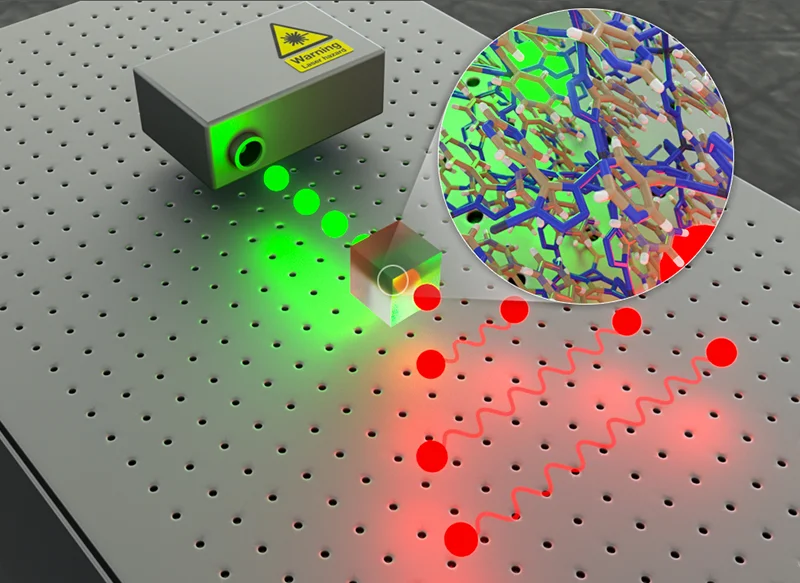
In an increasingly complex pharmaceutical landscape, the ability to communicate how medications work at the molecular level represents a critical competitive advantage. Mechanism of Action (MOA) animations have emerged as transformative tools that bridge the profound communication gap between sophisticated pharmaceutical science and diverse audiences including physicians, patients, healthcare payers, and regulatory authorities. These dynamic visual representations convert invisible molecular interactions into compelling visual narratives that facilitate comprehension, build confidence in therapeutic approaches, and accelerate product adoption across healthcare systems.
Understanding Mechanism of Action Animations
Mechanism of Action animations https://scientific illustrations.com/portfolio/animation represent specialized pharmaceutical visualizations designed to explain how drugs interact with biological systems at the molecular and cellular level. These dynamic representations showcase the step-by-step sequence of events occurring when medications enter the body, highlighting specific drug targets, biological pathways, and therapeutic effects that result from molecular interactions.
Key components of effective MOA animations include:
Molecular binding processes demonstrating how drugs attach to specific receptors
Cellular pathway interactions showing cascade effects throughout biological systems
Protein structure changes illustrating conformational modifications triggered by drug binding
Drug distribution patterns depicting medication movement through tissues and organs
Pharmacokinetic processes revealing absorption, metabolism, and elimination mechanisms
Unlike traditional static images or dense scientific papers, MOA animations employ visual storytelling to make abstract pharmaceutical concepts tangible and comprehensible. This transformation from complexity to clarity proves invaluable for educating diverse stakeholder groups possessing vastly different levels of medical and scientific expertise.
Applications in Pharmaceutical Marketing and Sales
Pharmaceutical companies utilize MOA animations as central components of comprehensive marketing strategies. These visualizations serve multiple critical functions within commercial operations. Sales teams deploy MOA animations during healthcare provider presentations, enabling rapid explanation of drug efficacy mechanisms without lengthy technical discussions. By condensing complex pharmacological information into concise, visually engaging narratives, animations facilitate faster decision-making and expedite sales cycles significantly.
The commercial impact of this approach proves substantial. Marketing research indicates that 83% of healthcare marketers investing in video marketing, including MOA animations, successfully generated qualified leads. Additionally, 95% of healthcare professionals reported that animated videos substantially increased their understanding of pharmaceutical products and mechanisms. These statistics demonstrate clear correlation between animation investment and commercial outcomes.
ROI performance metrics further validate animation investments. Pharmaceutical companies implementing strategic medical animation programs report average returns of 380% within the first year. MedTech companies developing detailed 3D animations demonstrating device functionality experienced 234% increases in qualified sales inquiries and achieved 58% reductions in business-to-business sales cycles.
Simplifying Complex Pharmaceutical Concepts
The fundamental advantage of MOA animations resides in their capacity to simplify genuinely complicated information. Traditional pharmaceutical communication often relies on complex terminology, static diagrams, or lengthy written explanations that alienate non-specialist audiences. MOA animations transcend these limitations by employing kinesthetic, auditory, and visual pathways simultaneously.
Consider explaining how a specific drug class blocks CGRP from binding to its receptors to reduce migraine pain. A traditional explanation might require several paragraphs of technical description discussing neuropeptide pathways, receptor subtypes, and neural signaling cascades. An animated visualization demonstrates this identical mechanism through dynamic three-dimensional representation, allowing viewers to observe drug molecules approaching receptors, blocking binding sites, and preventing pain signal transmission. This visual representation achieves superior comprehension compared to text-based approaches.
The logical flow of information proves essential in effective MOA animations. Successful visualizations employ narrative structure: define the problem, introduce the therapeutic solution, and walk viewers through the drug’s action mechanism step-by-step. This storytelling approach maintains viewer engagement while ensuring comprehensive understanding of complex pharmacological concepts.
Clinical Trial Recruitment and Patient Participation
MOA animations serve critical functions in clinical trial recruitment, particularly when explaining complex study procedures and risk-benefit profiles to potential participants. Patients exposed to clear animations demonstrating trial methodologies, treatment mechanisms, and expected outcomes demonstrate significantly improved understanding and enhanced cooperation throughout research protocols.
The animations prove particularly valuable in explaining:
How the experimental drug differs from standard treatments
Expected mechanisms through which therapeutic benefits are achieved
Potential adverse effects and monitoring procedures
What participants should anticipate during trial procedures
Why specific inclusion/exclusion criteria exist
This transparent communication directly correlates with improved trial recruitment, higher retention rates, and more reliable data collection. Research demonstrates that comprehensive visual communication regarding clinical trial procedures reduces participant anxiety and increases informed consent quality.
Reducing Preoperative Anxiety Through Immersive Visualization
Beyond pharmaceutical applications, immersive visualization technologies including virtual reality provide remarkable benefits in preoperative patient preparation. Randomized clinical trials demonstrate that virtual reality-based interventions significantly reduce preoperative anxiety compared with standard care alone.
A landmark study examining 74 adult patients undergoing elective surgery revealed that VR-based interventions produced measurable anxiety reductions. Participants received immersive 360-degree virtual tours simulating the entire surgical journey, from entering operating theaters through recovery area transfer. This immersive exposure enabled patients to:
Visualize operating room environments and surgical equipment
Hear authentic operating theater sounds in controlled settings
Explore surgical settings at their own pace without real surgical risks
Understand procedural steps and what to anticipate during anesthesia
Develop psychological preparedness through realistic exposure
Anxiety reduction mechanisms operate through desensitization processes. When patients experience anxiety-provoking surgical environments in controlled virtual settings, they develop reduced fear responses during actual surgical procedures. This controlled exposure reduces anticipatory anxiety and allows patients to develop realistic expectations about perioperative experiences, ultimately improving surgical outcomes and patient satisfaction.
Interactive and Immersive Approaches
Contemporary pharmaceutical and healthcare organizations increasingly employ interactive animations enabling deeper viewer engagement. Interactive MOA animations allow healthcare professionals to explore different scenario variations, examine mechanisms from multiple perspectives, and zoom into specific molecular details. This interactivity accommodates diverse learning preferences and clinical needs.
Virtual reality and augmented reality capabilities further expand MOA animation sophistication. These immersive technologies enable:
Three-dimensional exploration of complex molecular structures
Interactive manipulation of drug-target interactions
Scenario-based learning allowing decision-making exploration
Personalized learning pathways adapted to individual expertise levels
Remote collaboration capabilities enabling global medical education
Regulatory Submission and Approval Strategy
MOA animations significantly accelerate regulatory submission timelines by providing clear, scientifically accurate representations of drug mechanisms that regulators require. Animations provide standardized, auditable content where pharmaceutical companies can document scientific references supporting all visual representations. When regulatory agencies request clarifications or modifications, animations facilitate rapid revision compared to traditional photography or video approaches.
The FDA and EMA recognize quality MOA animations as legitimate vehicles for communicating complex pharmacological information within regulatory submissions and promotional materials. This regulatory acceptance positions animations as essential components of comprehensive product marketing and clinical development strategies https://scientific-illustrations.com/portfolio/medical-illustrations.
Measuring Animation ROI and Success
Pharmaceutical companies quantify animation investment returns through multiple metrics including lead generation rates, sales cycle duration, healthcare provider engagement metrics, patient comprehension scores, and clinical trial recruitment success. Companies implementing strategic animation programs track:
Cost per qualified lead compared to traditional marketing methods
Sales representative presentation effectiveness improvements
Time-to-conversion reductions in healthcare provider decision-making
Patient satisfaction and anxiety reduction scores
Clinical trial recruitment acceleration
Market launch timeline acceleration
Mechanism of Action animations represent far more than creative embellishments to pharmaceutical marketing. These sophisticated visualizations transform abstract molecular processes into comprehensible visual narratives that improve healthcare professional understanding, enhance patient knowledge, reduce anxiety, accelerate clinical trial participation, facilitate regulatory compliance, and ultimately drive pharmaceutical commercial success. As healthcare communication becomes increasingly sophisticated and competition intensifies, MOA animations have evolved from optional enhancements to essential tools that organizations must utilize to effectively communicate pharmaceutical innovation and achieve marketplace differentiation. The convergence of animation technology, regulatory acceptance, and documented clinical benefits positions mechanism of action visualizations as indispensable components of modern pharmaceutical strategy.

Johnny Vaughan: The Journey of a British Broadcasting Icon

Max Casella: Early Life, Breakthrough Roles, and Personal Story

Robert Loggia: The Life and Legacy of a Hollywood Character Actor

Paul Fusco: Career, Height, Family, and Quick Facts

The Story of Justin Lin and His Rise in Hollywood

Alison Victoria Net Worth: From Chicago Designer to TV Star

Who Is Eddie Levert? The Life and Music of an R&B Pioneer

Best Vacuum Packing Bags for Travel: Small, Strong and Simple to Operate

Celebrating Body Confidence: Tips for Women at Every Stage of Life

Fernando Vargas Jr.: Age, Family, Boxing Career, and Life Story

Dixie Brubaker: Life Story of Dinesh D’Souza’s Former Wife

JOP Net Worth 2025: How Rich Is the Fuerza Regida Frontman?

Rouba Saadeh: Life, Career, and Everything About Michele Morrone’s Ex-Wife

All About David Rubulotta – Age, Career, Family, and Life with Erin Burnett

Who Is Rebecca Romney? Life, Work, and Personal Story

Who is Harry Joseph Letterman? Facts About David Letterman’s Son

Who Is Terrence Duckett? Facts About Jasmine Guy’s Ex-Husband

Cindy Costner Net Worth – Inside the Life of Kevin Costner’s First Love

All About Ryan McPartlin: Career, Acting, Family, and More

Who is Jason The Ween? Bio, Career, Age, and More
Johnny Vaughan: The Journey of a British Broadcasting Icon
Max Casella: Early Life, Breakthrough Roles, and Personal Story
Robert Loggia: The Life and Legacy of a Hollywood Character Actor
Paul Fusco: Career, Height, Family, and Quick Facts
The Story of Justin Lin and His Rise in Hollywood
Alison Victoria Net Worth: From Chicago Designer to TV Star
Who Is Eddie Levert? The Life and Music of an R&B Pioneer
Best Vacuum Packing Bags for Travel: Small, Strong and Simple to Operate
Celebrating Body Confidence: Tips for Women at Every Stage of Life