Pets
Beyond the Brush: Why Grooming Is a Medical Necessity and Not a Luxury

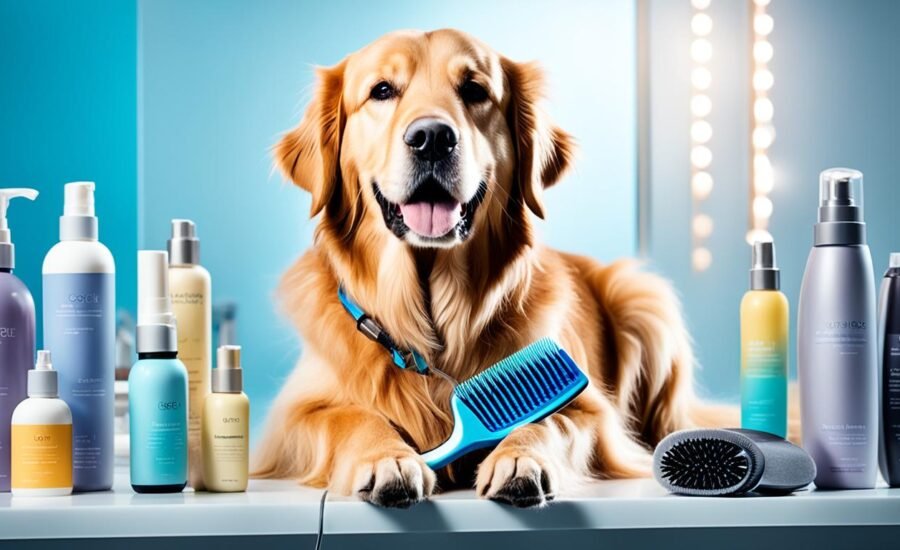
Caring for a pet is about more than providing food and affection. A complete approach to health includes regular grooming that supports comfort, hygiene, and the prevention of medical issues. Although some people still view grooming as a spa style treat, veterinary professionals and experienced pet owners understand that it plays a vital role in long term health. When performed consistently and correctly, grooming helps identify problems early, protects skin and coat, and reduces the likelihood of preventable conditions that cause pain and stress.
Grooming as a First Line Health Check
Professional groomers see pets from a unique perspective. They handle paws, ears, tails, undercoats, and other areas that owners may not examine often. This level of hands on care helps uncover concerns that might otherwise go unnoticed. Matted fur can hide infections or injuries. Irritated skin may be an early sign of allergies. Swelling or lumps can indicate the need for a veterinary appointment. Small issues caught during grooming are much easier to address than advanced conditions that develop when problems stay hidden for too long.
Groomers also track changes from one session to the next. A slow shift in coat quality or behavior might signal nutritional deficiencies, hormonal changes, or joint discomfort. This makes grooming a practical point of early intervention and not simply a cosmetic activity.
The Role of Grooming in Skin and Coat Health
Healthy skin is a barrier that protects pets from bacteria, environmental irritants, and parasites. Regular brushing, baths chosen for the pet’s coat type, and proper drying all work together to maintain that natural barrier. When grooming is neglected, the coat can trap dirt and moisture which encourages the growth of yeast or bacteria. This often leads to itching, redness, and secondary infections that require medical treatment.
Certain breeds need even more attention because of their coat texture or skin folds. Dogs with double coats benefit from de shedding treatments that reduce overheating and prevent impacted undercoat. Breeds with wrinkles need careful cleaning to prevent moisture buildup and odor. These services reduce the risk of chronic problems and help the pet stay comfortable throughout the changing seasons.
Grooming and the Prevention of Painful Conditions
Grooming supports physical comfort in ways that many owners overlook. Nail trimming is a prime example. Nails that grow too long can alter a pet’s gait and put pressure on joints, increasing the risk of pain and mobility issues. Ear cleaning helps deter infections that cause discomfort and hearing problems. Routine brushing prevents tight mats that pull on the skin and restrict movement.
Dental checks during grooming sessions can also point owners toward professional veterinary cleanings before plaque and tartar lead to gum disease. All of these tasks contribute directly to wellness and quality of life which is why grooming belongs among essential health practices.
The Value of Professional Expertise
Modern grooming is not simply a bath and haircut. Professional groomers are trained to work safely with a wide range of coat types, temperaments, and special needs. Their knowledge includes product selection, breed specific cuts, handling techniques that reduce stress, and sanitary procedures that support overall hygiene. For pet owners seeking pet grooming in Spring, TX or their area, access to skilled care means pets receive services tailored to their unique medical and behavioral requirements.
Professionals also collaborate with veterinarians when they find concerning signs. This teamwork strengthens preventive care and reassures owners that their pets are being watched over by people who understand both aesthetics and health.
Creating a Long Term Wellness Routine
Incorporating grooming into a regular schedule helps pets adapt more easily to handling and creates predictable patterns that lower anxiety. Young pets benefit from early socialization with grooming tools and environments which makes future sessions smoother and safer. Older pets rely on routine grooming to maintain comfort as mobility declines.
Consistency also supports proactive decision making. When owners understand how often their pets need brushing, nail trimming, or coat maintenance, they reduce the risk of emergencies. A structured routine reflects a commitment to whole pet health.
Conclusion
Grooming is a meaningful part of preventive care and not an optional indulgence. It allows early detection of health concerns, protects the skin and coat, prevents painful conditions, and supports comfort throughout every stage of life. When viewed as a medical necessity, grooming becomes an integral element of responsible pet care and a practice that keeps pets healthier and happier for years to come.


How Chiropractic Care Supports Better Posture and Pain Relief

Affordable Accessibility Upgrades for Any Home

Beyond the Brush: Why Grooming Is a Medical Necessity and Not a Luxury

How to Pair Unicity Unimate with Strength Training

Traditional Confinement Herbs: Benefits, Uses, and Modern Applications

Perfect Outfit Ideas to Wear for Your Wedding Anniversary Dinner

Top Syna x Nike Jackets to Elevate Your Streetwear Look

The Untold Story of Patricia Lofton, Oprah Winfrey’s Half-Sister

Who Is Dana Gadot? Exploring the Life of Gal Gadot’s Family

Who Is Derrick Henry’s Girlfriend? Meet Adrianna Rivas

Dixie Brubaker: Life Story of Dinesh D’Souza’s Former Wife

JOP Net Worth 2025: How Rich Is the Fuerza Regida Frontman?

Rouba Saadeh: Life, Career, and Everything About Michele Morrone’s Ex-Wife

All About David Rubulotta – Age, Career, Family, and Life with Erin Burnett

Who Is Rebecca Romney? Life, Work, and Personal Story

Who is Harry Joseph Letterman? Facts About David Letterman’s Son

Who Is Terrence Duckett? Facts About Jasmine Guy’s Ex-Husband

Cindy Costner Net Worth – Inside the Life of Kevin Costner’s First Love

All About Ryan McPartlin: Career, Acting, Family, and More

Who is Jason The Ween? Bio, Career, Age, and More
How Chiropractic Care Supports Better Posture and Pain Relief
Affordable Accessibility Upgrades for Any Home
Beyond the Brush: Why Grooming Is a Medical Necessity and Not a Luxury
How to Pair Unicity Unimate with Strength Training
Traditional Confinement Herbs: Benefits, Uses, and Modern Applications
Perfect Outfit Ideas to Wear for Your Wedding Anniversary Dinner
Top Syna x Nike Jackets to Elevate Your Streetwear Look
The Untold Story of Patricia Lofton, Oprah Winfrey’s Half-Sister
Who Is Dana Gadot? Exploring the Life of Gal Gadot’s Family