
Health
Affordable Yet Effective Keloid Treatments You Should Know About

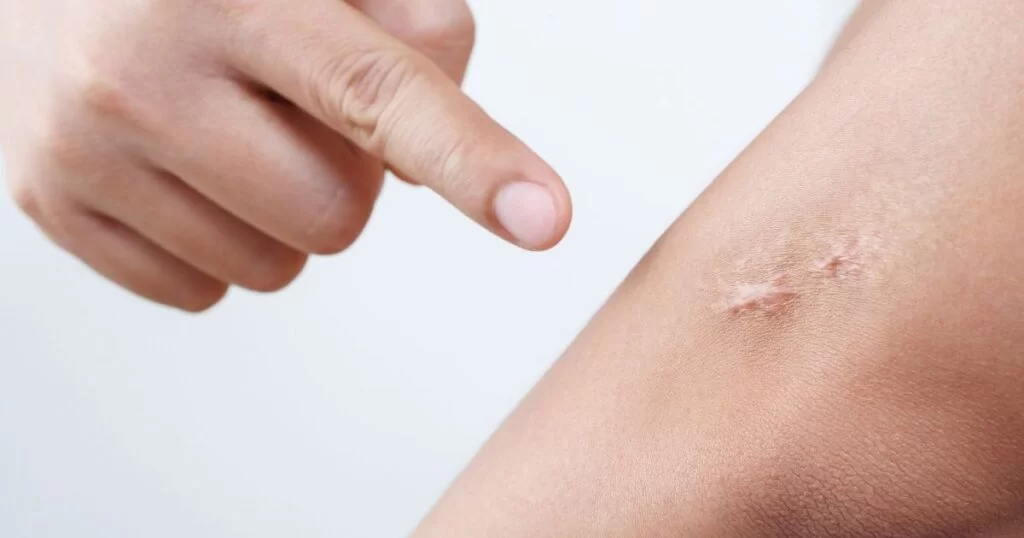
Keloid scars can be physically uncomfortable and emotionally distressing, particularly when they become visible or continue to grow over time. Many individuals struggle to find solutions that are both effective and reasonably priced. Understanding modern keloid treatment options can help make informed decisions without unnecessary expense.
Advancements in aesthetic medicine have made it possible to manage keloid scars more effectively than ever before. Today’s treatments focus on reducing scar size, improving texture, and preventing recurrence. With professional guidance, affordable options can deliver meaningful and lasting improvements.
Understanding What Causes Keloid Scars
Keloid scars develop when the body produces excess collagen during the healing process, leading to raised and expanding scar tissue. Clinics offering advanced care, such as Rejuvence Clinic’s keloid treatment, focus on identifying these triggers to create tailored and cost-effective treatment plans.
Unlike normal scars, keloids extend beyond the original wound and continue to grow over time. Identifying contributing factors is essential for choosing the most appropriate treatment approach.
- Excess collagen production during wound healing
- Genetic predisposition to abnormal scar formation
- Skin trauma such as cuts, burns, piercings, or surgery
- Inflammatory skin responses during healing
- Delayed or improper wound care
- Repeated irritation or tension on healing skin
- Hormonal influences affecting tissue repair
- Previous history of keloid scar development
Modern Approaches to Keloid Treatment
Modern keloid treatments focus on controlling collagen production while improving skin appearance and comfort. Rather than relying on invasive procedures alone, many therapies aim to manage scars gradually and safely. This approach reduces the risk of further skin trauma and recurrence.
1. Corticosteroid Injections
Corticosteroid injections are commonly used to reduce inflammation and flatten keloid scars. They work by slowing collagen production within the scar tissue. Over a series of sessions, scars often become softer and less raised.
2. Silicone Based Scar Therapy
Silicone sheets and gels help regulate moisture and collagen formation in scar tissue. Consistent use can reduce redness and thickness over time. This method is often recommended as a supportive or maintenance treatment.
3. Laser Scar Reduction
Laser therapy targets excess tissue and pigmentation within keloid scars. It improves texture and appearance while reducing discomfort such as itching or tightness. Laser treatments are often combined with other therapies for better outcomes.
4. Cryotherapy for Keloids
Cryotherapy involves freezing scar tissue to reduce its overall size and thickness. The controlled cold application helps break down abnormal collagen structures within the scar. This method is particularly effective for smaller or newly formed keloids when applied early.
5. Pressure Therapy
Pressure therapy works by applying consistent compression to keloid scars over time. This controlled pressure helps limit blood flow and reduces excessive collagen production. It is commonly used for ear keloids or post surgical scars and requires regular use.
6. Radiofrequency Treatments
Radiofrequency treatments use targeted energy to remodel dense scar tissue safely. The heat stimulates controlled healing while improving skin texture and flexibility. This non surgical option is increasingly preferred due to minimal downtime and recovery.
Why Early Treatment Makes Keloid Care More Affordable
Addressing keloid scars early often reduces the need for more complex procedures later. Early intervention helps control scar growth before it becomes more difficult to manage. This approach is both cost effective and clinically beneficial.
Many individuals seeking long-term results choose professional advanced keloid scar management solutions from specialists like Rejuvenceclinic.co.uk, where treatment plans combine multiple techniques for controlled and affordable outcomes.
1. Preventing Scar Enlargement
Untreated keloids often continue to grow beyond their original boundaries, becoming thicker and more difficult to manage. Early intervention helps control excessive collagen production before the scar expands. Smaller, stabilised keloids are typically easier, quicker, and more affordable to treat effectively.
2. Reducing Discomfort and Irritation
Keloids can cause persistent itching, tenderness, tightness, or sensitivity in the affected area. Addressing the scar early helps reduce inflammation and nerve irritation. Improved comfort not only eases physical symptoms but also supports better daily functioning and overall quality of life.
3. Minimising Treatment Sessions
Larger or long standing keloids often require repeated and prolonged treatment cycles. Early management targets the scar before it becomes resistant to therapy. Fewer sessions are usually needed, helping reduce treatment time, recovery demands, and overall financial burden.
4. Improving Cosmetic Outcomes
Early treatment significantly improves the visual outcome of keloid scars. Skin texture, thickness, and pigmentation respond more favourably during initial stages. Addressing the scar sooner increases the likelihood of smoother, flatter, and more natural looking results.
5. Lower Risk of Recurrence
Keloids are known for their tendency to recur if not properly managed. Early and consistent treatment helps stabilise collagen activity and scar behaviour. This proactive approach reduces the chances of regrowth and improves long term treatment success.
6. Supporting Skin Health
Healthy surrounding skin plays a crucial role in scar recovery and response to treatment. Early care preserves tissue elasticity and hydration while preventing further irritation. Stronger skin supports smoother healing, better resilience, and more predictable treatment outcomes.
Who Can Benefit From Affordable Keloid Treatments
Affordable keloid treatments are suitable for individuals dealing with mild to moderate keloid scarring who want effective care without excessive costs. These options are ideal for those experiencing discomfort, cosmetic concerns, or early scar growth. A professional assessment ensures the treatment matches skin type, scar history, and long-term treatment goals while maintaining safety and effectiveness.
- Individuals with early stage keloid scars
- Those experiencing discomfort or itching from scars
- People seeking non surgical scar management
- Individuals with scars from piercings or minor injuries
- Patients wanting gradual and controlled improvement
- Those concerned about scar visibility
- Individuals aiming to prevent scar growth
- People looking for cost conscious treatment options
Conclusion
Keloid scars do not have to remain a permanent concern when addressed with the right treatment strategy. Modern keloid therapies focus on controlling scar growth, improving appearance, and reducing discomfort without relying on aggressive procedures. Affordable options are now widely available and clinically effective when guided by professional care.
Choosing a personalised treatment plan allows individuals to manage keloid scars safely and cost effectively. With early intervention and consistent therapy, many people experience noticeable improvements in both scar appearance and comfort. Professional guidance plays a key role in achieving long term results and restoring confidence in the skin.

Otto Kilcher Net Worth: Everything to Know About the Alaska Reality Star

Martha Ford’s Life Story: Family Legacy, Wealth, and Influence in the NFL

How Rich Is PSY? Net Worth, Career Journey, and Personal Life

Joey Cramer: The Rise, Fall, and Comeback of the ‘Flight of the Navigator’ Star

Carole Radziwill: The Story Behind the RHONY Star

Johnny Vaughan: The Journey of a British Broadcasting Icon

Max Casella: Early Life, Breakthrough Roles, and Personal Story

Robert Loggia: The Life and Legacy of a Hollywood Character Actor

Paul Fusco: Career, Height, Family, and Quick Facts

The Story of Justin Lin and His Rise in Hollywood

Dixie Brubaker: Life Story of Dinesh D’Souza’s Former Wife

JOP Net Worth 2025: How Rich Is the Fuerza Regida Frontman?

Rouba Saadeh: Life, Career, and Everything About Michele Morrone’s Ex-Wife

All About David Rubulotta – Age, Career, Family, and Life with Erin Burnett

Who Is Rebecca Romney? Life, Work, and Personal Story

Who is Harry Joseph Letterman? Facts About David Letterman’s Son

Who Is Terrence Duckett? Facts About Jasmine Guy’s Ex-Husband

Cindy Costner Net Worth – Inside the Life of Kevin Costner’s First Love

All About Ryan McPartlin: Career, Acting, Family, and More

Who is Jason The Ween? Bio, Career, Age, and More
Otto Kilcher Net Worth: Everything to Know About the Alaska Reality Star
Martha Ford’s Life Story: Family Legacy, Wealth, and Influence in the NFL
How Rich Is PSY? Net Worth, Career Journey, and Personal Life
Joey Cramer: The Rise, Fall, and Comeback of the ‘Flight of the Navigator’ Star
Carole Radziwill: The Story Behind the RHONY Star
Johnny Vaughan: The Journey of a British Broadcasting Icon
Max Casella: Early Life, Breakthrough Roles, and Personal Story
Robert Loggia: The Life and Legacy of a Hollywood Character Actor
Paul Fusco: Career, Height, Family, and Quick Facts