Connect with us

How To

How to Choose the Right POS System for Your Restaurant in the UK

Published

on

POS System

In today’s competitive UK restaurant industry, running a successful business requires more than great food and friendly service. Behind every smooth operation lies a reliable Point of Sale (POS) system — the modern backbone of restaurant management.

A good POS system does much more than process payments. It connects your kitchen, staff, and customers, managing everything from sales and inventory to reservations and analytics. Choosing the right one can mean the difference between an efficient, profitable operation and a stressful, error‑filled one.

Here’s a complete guide to help you choose the best POS system for your restaurant in the UK, covering key features, compliance needs, and long‑term considerations.

Why a POS System Is Crucial for UK Restaurants

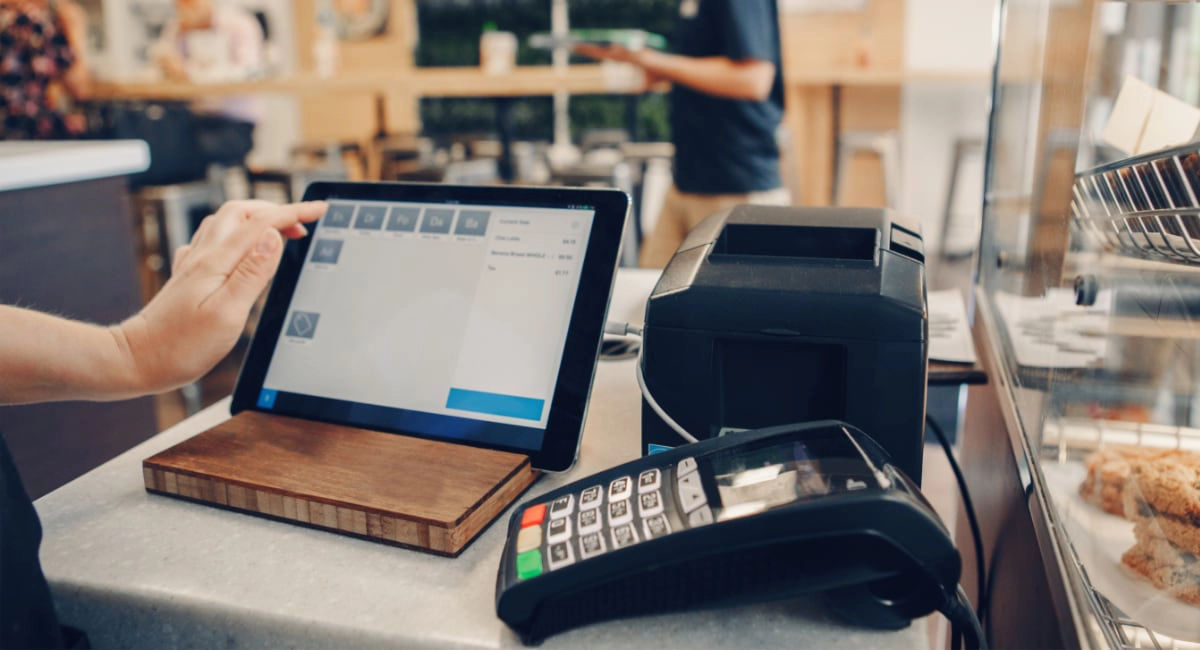
Modern POS systems are far more than digital tills. They’re all‑in‑one solutions that integrate multiple areas of your business into a single, streamlined platform.

Key benefits include:

  • Seamless operations: Syncs orders between the front and back of house.
  • Accurate financial tracking: Automates sales, VAT reporting, and payroll data.
  • In‑depth customer insights: Identifies top‑selling dishes and repeat guests.
  • Compliance support: Helps meet UK regulations, from VAT to GDPR.

In a fast‑paced environment where every second counts, the right POS system can help you save time, reduce errors, and boost guest satisfaction.

1. Assess Your Restaurant’s Needs

Start by analysing how your restaurant actually operates. Different models require different POS setups.

Ask yourself:

  • What type of restaurant do I run? A fast‑service café will prioritise speed and delivery integrations, while a fine‑dining venue may need stronger table management tools.
  • How large is my order volume? Busy pubs or chains need systems that handle simultaneous transactions.
  • Does my menu need flexibility? If you customise dishes or offer meal deals, be sure your POS supports modifiers and combo functions.
  • How tech‑savvy is my staff? Choose a system they can easily learn and use during busy hours.

Understanding these needs upfront helps narrow your options and avoid overpaying for unnecessary features.

2. Look for Smart POS Integrations

A powerful POS system truly shines when connected to other essential tools. For UK restaurants, look for integrations that streamline daily tasks:

  • Inventory management: Track stock in real time and automate supplier orders.
  • Delivery apps: Sync with Uber Eats, Deliveroo, or Just Eat to manage all orders in one dashboard.
  • Reservations: Integrate table booking systems to prevent double‑bookings.
  • Accounting: Connect to Xero, QuickBooks, or Sage for smoother VAT and payroll reporting.
  • Loyalty and CRM tools: Personalise offers and reward repeat guests.

These integrations eliminate manual work and improve efficiency across departments.

3. Prioritise Ease of Use and Staff Training

Even the most advanced POS software is useless if your team finds it confusing. Choose a system that’s simple, intuitive, and quick to train on.

  • User‑friendly interface: Touchscreens are particularly effective in busy UK restaurants.
  • Minimal training required: Check whether onboarding and live support are available.
  • Mobility: Tablets and handheld devices let servers take orders tableside, speeding up service.

A straightforward POS reduces mistakes, increases order accuracy, and helps new employees get up to speed in no time.

4. Check Payment Processing Options

Today’s customers expect quick and contactless payment options. The best UK POS systems integrate smoothly with multiple payment gateways.

Look for features like:

  • Support for multiple methods: Debit/credit cards, Apple Pay, Google Pay, and gift cards.
  • Contactless and tap‑to‑pay options.
  • PCI‑compliant transactions to protect customer data.
  • Automatic VAT reconciliation for HMRC compliance.

These functions make checkout efficient while building trust and convenience for your guests.

5. Use Reporting and Analytics to Your Advantage

A data‑driven approach helps restaurants thrive. The right POS system provides real‑time insights into performance, customers, and efficiency.

Essential reports include:

  • Sales breakdowns by menu item, category, or day.
  • Staff performance tracking.
  • Inventory usage trends to prevent waste.
  • Customer behavioural data for personalised marketing.

For UK restaurants managing tight margins, this data is invaluable for making smarter strategic decisions.

6. Think About Scalability and Flexibility

Choose a system that suits your current needs but can also grow with your business.

Consider:

  • Scalability: Can it support additional locations or service models?
  • Cloud‑based access: Manage operations remotely and view live reports from anywhere.
  • Hardware compatibility: Works with tablets, kiosks, or traditional register terminals.
  • Feature expansion: Add new modules, such as delivery tracking or reservations, as you expand.

A flexible POS means you won’t outgrow your system — saving you costly upgrades down the line.

7. Check Customer Support and Reliability

Technical issues happen — especially in hospitality — so reliable support is non‑negotiable.

Look for:

  • 24/7 technical help available by phone, chat, or email.
  • Training resources such as tutorials or webinars.
  • Cloud backup to protect your data from power or system failures.
  • Strong UK reputation and positive user reviews.

Reliable customer support minimises downtime and keeps your team running smoothly during peak hours.

8. Evaluate Cost and Pricing Structure

POS pricing can vary significantly. Don’t just focus on the monthly subscriptions — review the complete cost picture.

  • Upfront hardware fees for terminals, screens, or printers.
  • Software subscriptions (usually charged per terminal or register).
  • Transaction fees for card payments.
  • Additional costs for integration add‑ons or premium support.

Balance affordability with functionality, ensuring your POS provides measurable value for money.

9. Ensure Full UK Compliance

Compliance isn’t just good practice — it’s the law. Make sure your POS system meets key UK standards:

  • VAT tracking: Accurate percentage calculations and automated reporting.
  • GDPR compliance: Protects customer data with encryption and consent tracking.
  • Food safety support: Some systems integrate stock traceability and waste logs.

Compliance safeguards your reputation and ensures smooth inspections or audits.

10. Explore the Most Popular POS Systems in the UK

Several POS providers stand out in the UK market for their reliability and features:

POS SystemBest ForKey Strengths
POSApt POSPubs and quick-service restaurantsReliable reporting, cloud-based, affordable
LightspeedGrowing restaurants & chainsCloud‑based, feature‑rich, strong inventory controls
SquareSmall cafés & quick‑service spotsAffordable, intuitive interface
TouchBistroCasual and mid‑range diningExcellent table management and analytics
Vend (by Lightspeed)Multi‑site businessesGreat accounting and stock integration

Choosing a proven UK‑focused platform ensures better support, smoother setup, and long‑term stability.

Final Thoughts

Selecting the right POS system for your UK restaurant is one of the most strategic decisions you’ll make. The right choice supports efficiency, enhances customer experience, and keeps you compliant with UK standards.

Modern POS systems are more than transaction tools — they’re comprehensive control centres for your restaurant. They manage staff schedules, monitor stock, streamline ordering, and deliver insights that drive growth.

Whether you’re running a café in Edinburgh, a pub in Manchester, or a fine‑dining restaurant in Mayfair, the right POS solution will empower your team, reduce stress, and help your business thrive in a demanding market.

Continue Reading

Categories