
Life Style
Signs You May Need Mold Inspection and Testing

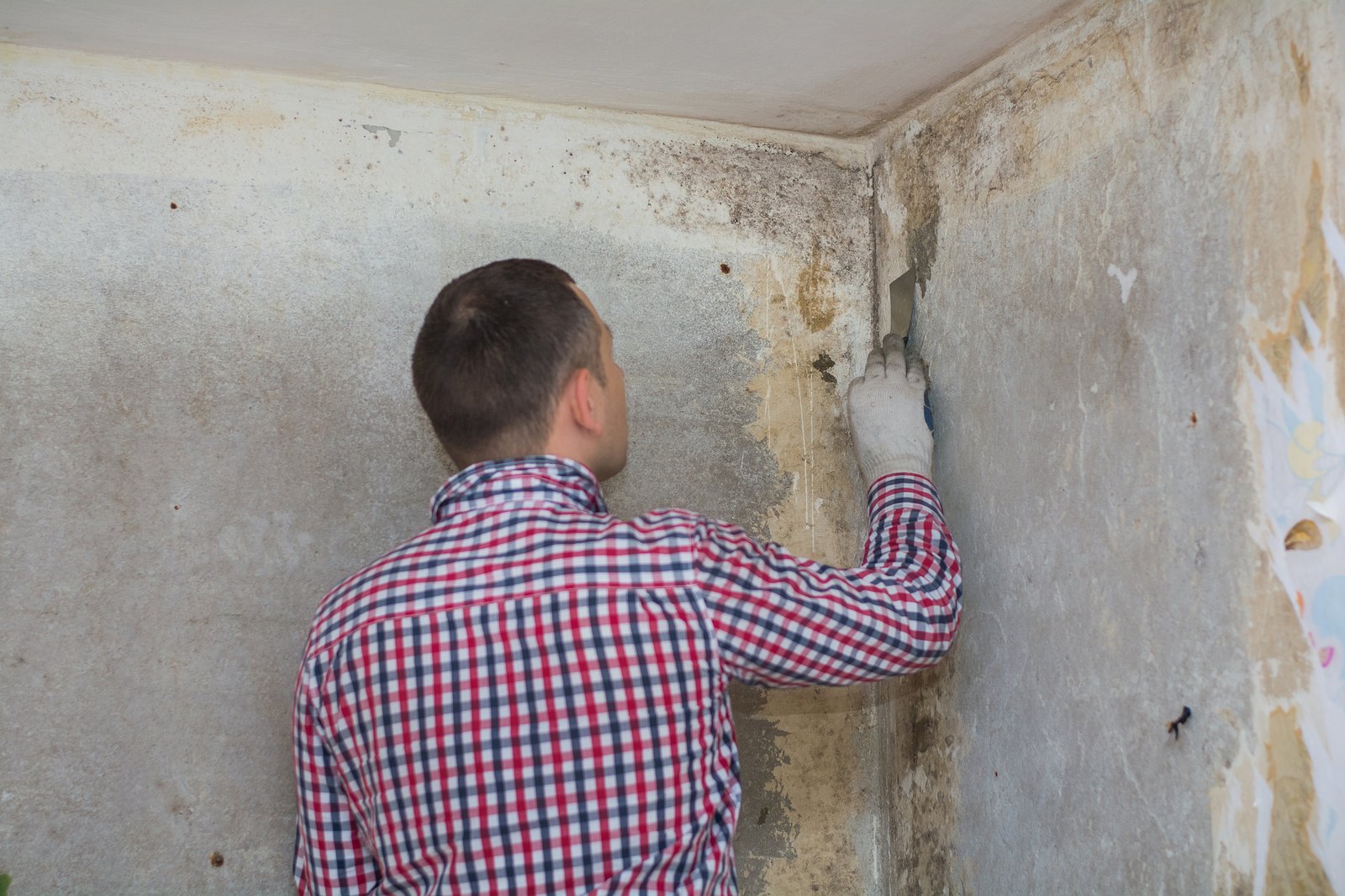
Are you worried about strange smells or spots in your home? Mold can grow fast if there is too much moisture or past water damage. This post explains the main signs that point to needing mold inspection and testing.
Keep reading to learn how to spot mold problems early.
Key Signs You May Need Mold Inspection
You might notice certain changes at home that suggest a mold problem. These early hints tell you it is time to act and learn more about inspection and testing.
Persistent musty or earthy odors
Musty or earthy odors often point to mold growth in your home. Mold produces a strong smell that does not go away with cleaning or fresh air. These odors can come from hidden places, such as behind walls, under carpets, or inside air ducts.
Even if you do not see any visible mold, a lingering musty smell means there may be moisture problems.
This scent is a common sign after water damage or high humidity levels indoors. Fungal spores and dampness increase the risk for health symptoms like allergies and breathing issues.
If these odors stay for several days, it is wise to get mold inspection and testing done by professionals who can check indoor air quality and locate the source of the problem before it spreads further.
Visible mold growth on surfaces
Persistent musty or earthy odors can signal mold problems. Another clear sign is visible mold growth on surfaces. You may see it on walls, ceilings, or floors. Mold often appears as green, black, or white spots.
It’s usually fuzzy or slimy in texture.
Seeing mold means there might be moisture issues nearby. Areas that stay damp are perfect for mold to grow. This includes places like basements and bathrooms. If you spot any signs of mold growth, it’s time to take action quickly.
Mold thrives where there is moisture.
Recent water damage or flooding
Water damage or flooding can lead to mold growth in your home. If you had a leak, burst pipe, or heavy rain that flooded your space, check for signs of moisture. Mold thrives in damp areas.
You may notice musty odors lingering in the air.
Look for discoloration on walls and ceilings. Peeling paint and warped floors are also red flags. These signs indicate moisture problems where mold might be hiding. Don’t ignore these issues; they could affect your health over time.
Unexplained health issues, such as allergies or respiratory problems
Recent water damage or flooding can lead to mold growth. This growth may cause unexplained health issues. Many people experience allergies, such as sneezing and itchy eyes. Others may face respiratory problems like coughing or difficulty breathing.
Mold releases tiny spores into the air. Breathing in these spores can trigger health symptoms. People with asthma may find their condition worsens due to mold exposure. If you notice health changes after water damage, consider getting a mold inspection and testing right away.
Hidden Indicators of Mold
3. Hidden Indicators of Mold: Look for signs like peeling wallpaper or warped floors. These can hint at mold hiding nearby. Check your space carefully to catch any trouble early. Stay alert and keep your home safe!
Peeling or bubbling wallpaper
Peeling or bubbling wallpaper can be a clear sign of mold issues. This problem often happens when moisture gets trapped behind the wallpaper. High humidity levels and water damage can cause these signs.
You may notice that the edges peel away or bubbles form under the surface. These changes often indicate hidden mold growth. If you see this in your home, it is smart to consider a mold inspection and testing.
Taking action now can help prevent health risks later on.
Warped flooring or walls
Warped flooring or walls can signal a moisture problem. This often happens after water damage, leaks, or high humidity. When wood absorbs too much moisture, it can bend and twist. Walls may bow or develop bulges for the same reason.
These changes are more than just cosmetic issues. They indicate that mold could be growing in hidden areas. If you notice these signs, consider getting a mold inspection soon. It is important to address any underlying moisture problems quickly to protect your home and health.
Exploring other hidden indicators of mold helps ensure your living space is safe and clean.
Condensation on windows or walls
Condensation on windows or walls is a sign of high humidity. This moisture can cause mold growth. Check for water droplets forming on glass or dampness on walls. These signs mean your home has too much moisture in the air.
High humidity often arises from poor ventilation or leaks. If you notice condensation, take action quickly. Opening windows and using fans can help reduce moisture levels. However, if problems persist, a mold inspection may be necessary to find hidden issues.
It’s important to identify all potential sources of dampness before taking further steps in remediation services and mold testing.
When to Seek Professional Mold Testing
When you can’t get rid of mold on your own, it’s time to call in the experts. If you think mold is hiding in places you can’t see, like behind walls or under floors, professional testing is a must.
After unsuccessful DIY mold removal attempts
If you suspect mold due to persistent odors or moisture issues, consider combining mold inspection with drinking water testing to ensure your home’s safety.
DIY mold removal can be tough. Many people try to handle it themselves, but this often does not work. Mold can grow in hidden spots that are hard to reach. If you find the same musty odors or see mold return, it’s time to get help.
Professional mold testing is important in these cases. Experts have the right tools and knowledge for thorough inspection. They can check behind walls and under floors where moisture problems may hide.
Trusting them ensures a safer indoor air quality for your home and family.
If mold is suspected in hidden areas (e.g., behind walls or under flooring)
Mold can hide in places we can’t easily see. It often grows behind walls or under flooring. These spots can trap moisture, leading to mold growth. If you notice signs of water damage like stains or dampness, it may be time for inspection.
Strange health symptoms like sneezing and coughing could also mean hidden mold.
Calling a professional for testing is wise if you suspect molds are lurking out of sight. They have the tools to find mold where you cannot see it. Mold testing will help ensure your home is safe and healthy for everyone living there.
Next, let’s explore when it’s best to seek professional help with mold testing.
Before buying or selling a property
Buying or selling a property means checking for problems. Mold can be one of those hidden issues. If you suspect mold, get an inspection first. This is key to understanding the home’s condition.
A thorough mold test helps show if there are dangerous spores in the air. Buyers want assurance that their new home is safe and healthy. Sellers have a better chance of closing a deal with proof of no mold.
A clear report also shows good maintenance and care for the property, which can improve its value.
Conclusion
Mold can cause many problems. If you notice musty odors or see mold growth, act right away. Unexplained health issues are also a sign. Check for moisture damage in your home too. Taking these steps can help keep your space safe and healthy.
Don’t wait until it gets worse; get an inspection today!

Practical Ways Parents Can Support Children With Autism

Signs You May Need Mold Inspection and Testing

How to Choose the Right Renovation Contractor

Common Dental Emergencies and How to Respond

What to Consider Before Undergoing Plastic Surgery

Benefits of Regular Dog Grooming for Pet Health

How to Care for and Maintain Sterling Silver Jewelry

Everything You Should Know About Botox Cosmetic Treatments

Olivia Namath: Facts About Joe Namath’s Daughter

Otelia Cox: The Private Life of Tony Cox’s Longtime Partner

Dixie Brubaker: Life Story of Dinesh D’Souza’s Former Wife

JOP Net Worth 2025: How Rich Is the Fuerza Regida Frontman?

Rouba Saadeh: Life, Career, and Everything About Michele Morrone’s Ex-Wife

All About David Rubulotta – Age, Career, Family, and Life with Erin Burnett

Who Is Rebecca Romney? Life, Work, and Personal Story

Who is Harry Joseph Letterman? Facts About David Letterman’s Son

Who Is Terrence Duckett? Facts About Jasmine Guy’s Ex-Husband

Cindy Costner Net Worth – Inside the Life of Kevin Costner’s First Love

All About Ryan McPartlin: Career, Acting, Family, and More

Who is Jason The Ween? Bio, Career, Age, and More
Practical Ways Parents Can Support Children With Autism
Signs You May Need Mold Inspection and Testing
How to Choose the Right Renovation Contractor
Common Dental Emergencies and How to Respond
What to Consider Before Undergoing Plastic Surgery
Benefits of Regular Dog Grooming for Pet Health
How to Care for and Maintain Sterling Silver Jewelry
Everything You Should Know About Botox Cosmetic Treatments
Olivia Namath: Facts About Joe Namath’s Daughter