
Health
Reablement and rehab support: Helping people recover and regain independence at home

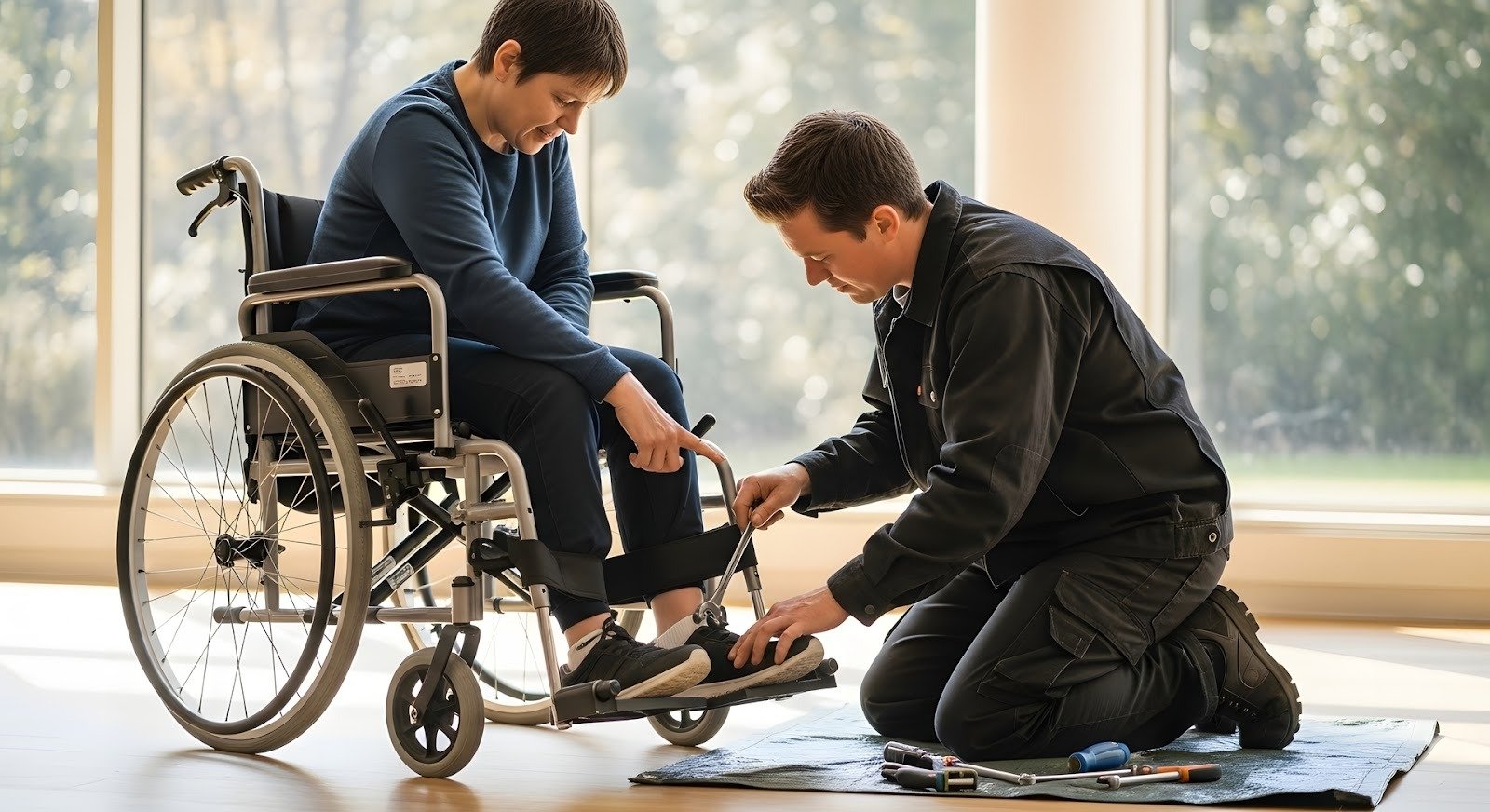
Reablement and rehabilitation support services play a crucial role in helping individuals rebuild confidence, strength, and independence following illness, injury, surgery, or hospital discharge. Rather than providing long-term dependency-based care, reablement focuses on recovery, skill-building, and enabling people to manage daily life safely in their own homes.
As pressures on hospitals and community health services continue to rise across the UK, structured reablement support delivered at home has become an essential bridge between clinical care and independent living. When delivered in partnership with healthcare professionals, reablement can significantly improve outcomes while reducing the likelihood of readmission or long-term care needs.
This article explains how reablement and rehab support works, who it benefits, and why coordinated home-based recovery support is so effective.
What is reablement and rehabilitation support?
Reablement is a short- to medium-term support service designed to help individuals relearn essential daily living skills after a change in health or mobility. Unlike traditional care models that may take over tasks, reablement encourages active participation and gradual independence.
Rehab support at home often works alongside NHS or private rehabilitation teams and may follow:
- Hospital discharge after illness, injury, or surgery
- A period of reduced mobility or strength
- Neurological events such as stroke
- Deterioration related to long-term conditions
The primary goal is to help individuals regain control over everyday activities and reduce ongoing reliance on care services.
Working alongside rehabilitation professionals
Effective reablement services do not operate in isolation. They work collaboratively with occupational therapists, physiotherapists, district nurses, and other healthcare professionals to deliver consistent, goal-focused support.
Care workers involved in reablement may support individuals to:
- Practise mobility exercises safely at home
- Rebuild confidence with transfers and movement
- Follow therapy-led routines between appointments
- Apply adaptive techniques recommended by therapists
This joined-up approach ensures that rehabilitation plans are reinforced daily, rather than limited to short clinical sessions.
Supporting recovery within the home environment
Recovering at home offers significant advantages over institutional settings. Familiar surroundings reduce stress, encourage routine, and allow rehabilitation to focus on real-life tasks rather than theoretical exercises.
Reablement support commonly focuses on practical outcomes such as:
- Preparing simple meals independently
- Washing and dressing safely
- Moving confidently around the home
- Managing daily routines with reduced assistance
By practising these tasks in context, individuals often progress faster and with greater confidence.
Building confidence and preventing setbacks
Loss of confidence is one of the most common barriers to recovery following illness or injury. Even when physical ability improves, fear of falling or making mistakes can limit independence.
Reablement support helps address this by:
- Encouraging gradual, supported independence
- Providing reassurance without creating dependency
- Monitoring progress and adapting support as abilities improve
- Identifying early warning signs that may require professional review
This balance between support and encouragement is central to successful long-term outcomes.
Who benefits most from reablement and rehab support?
Reablement services are particularly beneficial for:
- Older adults following hospital discharge
- Individuals recovering from surgery or fractures
- People experiencing reduced mobility after illness
- Those aiming to avoid long-term residential care
Support is typically time-limited and regularly reviewed, ensuring services remain focused on recovery rather than maintenance.
Choosing a reablement-focused care provider
The quality of reablement support depends heavily on how well care teams understand rehabilitation goals and adapt care accordingly. A strong provider prioritises collaboration, continuity of carers, and outcome-based planning.
When reviewing options, it is helpful to explore dedicated Reablement and rehabilitation support services that are specifically designed to promote independence rather than long-term dependency. Providers offering integrated home-based care pathways are often best placed to support recovery journeys.
Reablement as part of a wider home care pathway
Reablement does not always exist in isolation. Some individuals may transition from reablement into lower-level ongoing support, while others regain full independence. Access to flexible home care services ensures continuity when needs change.
For families seeking reliable support options in their local area, providers offering 24 hour home care okehampton through established care teams can offer reassurance that help is available whenever it is needed.
Conclusion
Reablement and rehab support services empower individuals to recover with confidence, dignity, and purpose within their own homes. By focusing on ability, not dependency, these services help people rebuild independence while reducing pressure on wider health and social care systems.
For those exploring recovery-focused care delivered at home, understanding how reablement fits into a broader support framework is a key step toward long-term wellbeing and independence.

A Sociological Look at Discord Study Groups and Gen Z Lifestyle

Transforming Your Bedroom into a Personal Sanctuary: A Woman’s Guide to Style and Function in 2026

How The Best Laser For Wrinkles Can Transform Your Skincare Routine

7 Benefits of Hearing Aid in Malaysia for Seniors

Scott Patterson’s First Wife, Vera Davich: Everything You Need to Know

All About Shaherah White: Barry White’s Daughter, Family, and Journey

Understanding Investment Thresholds for Permanent cand Citizenship Pathways

Who Is AJ Lambert? Her Career, Style, and Legacy

Daniella Liben’s Journey: Family, Career, and Life With Adam Pally

6 Ways Dentist In Bensalem, PA Helps Maintain Oral Health

Dixie Brubaker: Life Story of Dinesh D’Souza’s Former Wife

JOP Net Worth 2025: How Rich Is the Fuerza Regida Frontman?

Rouba Saadeh: Life, Career, and Everything About Michele Morrone’s Ex-Wife

All About David Rubulotta – Age, Career, Family, and Life with Erin Burnett

Who Is Rebecca Romney? Life, Work, and Personal Story

Who is Harry Joseph Letterman? Facts About David Letterman’s Son

Who Is Terrence Duckett? Facts About Jasmine Guy’s Ex-Husband

Cindy Costner Net Worth – Inside the Life of Kevin Costner’s First Love

All About Ryan McPartlin: Career, Acting, Family, and More

Who Is Khalyla Kuhn? Life, Family, and Career of Bobby Lee’s Partner
A Sociological Look at Discord Study Groups and Gen Z Lifestyle
Transforming Your Bedroom into a Personal Sanctuary: A Woman’s Guide to Style and Function in 2026
How The Best Laser For Wrinkles Can Transform Your Skincare Routine
7 Benefits of Hearing Aid in Malaysia for Seniors
Scott Patterson’s First Wife, Vera Davich: Everything You Need to Know
All About Shaherah White: Barry White’s Daughter, Family, and Journey
Understanding Investment Thresholds for Permanent cand Citizenship Pathways
Who Is AJ Lambert? Her Career, Style, and Legacy
Daniella Liben’s Journey: Family, Career, and Life With Adam Pally