
Home Improvement
Mastering Interior Flow: Designs for a Functional Home

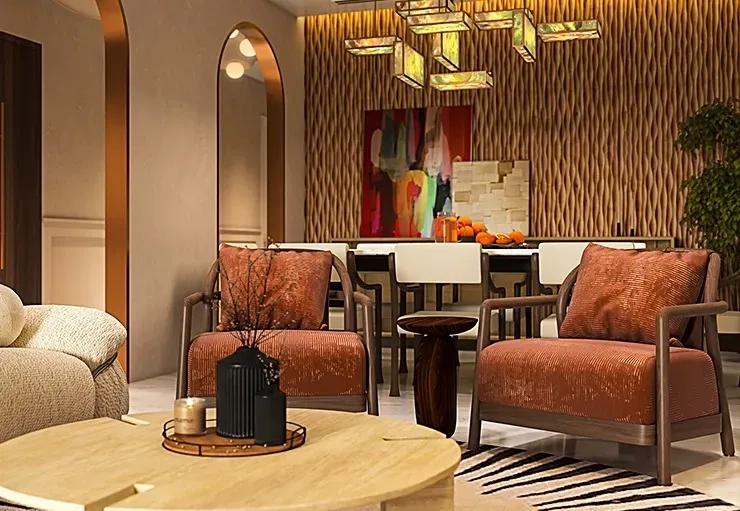
Good design combines aesthetics and functionality, creating spaces that are both stylish and practical. It influences movement, lighting, and mood, making layout as important as decor. Whether renovating or refreshing, understanding the link between design and layout is essential for a seamless, functional home.
The Impact of Design Styles on Spatial Perception
Your choice of design style does more than dictate the color palette or furniture selection; it fundamentally changes how a room feels and operates. Different styles prioritize different elements of space and functionality.
Minimalism: The Art of Subtraction
Minimalism maximizes space and improves flow by removing non-essential items, clearing physical and visual pathways. It features clean lines, a monochromatic palette, and functional furniture. Negative space, or the empty space around objects, creates openness, making smaller rooms feel larger and enhancing movement.
Modern Design: Form Follows Function
Often confused with contemporary design, modern style focuses on the idea that “form follows function.” Furniture is typically raised on legs, allowing light to pass underneath and making the room feel airier. Open floor plans integrate kitchen, dining, and living spaces, encouraging social interaction and easy navigation.
Scandinavian: Cozy Functionality
Scandinavian design blends modernism’s clean lines with warmth and texture, a concept called hygge. It balances simplicity with practicality, maximizing natural light and using versatile furniture. Modular storage solutions keep clutter hidden, ensuring daily life flows smoothly without disruptions.
Maximalism: Curated Chaos
Maximalism embraces “more is more,” with bold patterns, textures, and collections. Though seemingly chaotic, effective maximalism uses grouped “zones” of interest to create balance. When done right, it achieves functionality without overwhelming the space.
The Principles of High-Function Layouts
Regardless of the style you choose, the underlying skeleton of your room—the layout—must be sound. Several core principles govern how a space functions.
Establishing Balance
Balance in a room is about distributing visual weight equally to ensure no area feels too heavy. This can be achieved through symmetrical balance, where elements are mirrored, or asymmetrical balance, where different objects with similar visual weight are used to create equilibrium.
The Power of Focal Points
A focal point is a central element that anchors a room’s design and draws the eye. This can be an architectural feature, like a fireplace, or a piece of art. Arrange furniture around this point to create a cohesive space and prevent the room from feeling unsettled.
Traffic Flow and Clearance
This is crucial for daily life. Consider the natural paths people take through a room. A good layout allows for easy movement without squeezing past furniture.
- Major Pathways: Keep main traffic areas, like hallways, 30 to 48 inches wide.
- Minor Pathways: Leave at least 24 inches between furniture, such as a sofa and coffee table, for easy movement.
Optimizing Flow Room by Room
These concepts apply differently depending on the room’s function. Here’s how to approach the three most-used spaces in your home.
The Living Room: Conversation and Comfort
Living rooms often suffer from “wall-hugging” furniture, which kills conversation and creates a “dead zone” in the middle.
To improve flow:
- Float Your Furniture: Pull sofas and chairs away from the walls to create an intimate conversation circle.
- Define Zones: In a long room, use area rugs to define separate zones to break up the “bowling alley” effect.
- Add Curves: Use round coffee or side tables to soften the hard angles of sofas and rugs, making navigation easier.
The Kitchen: The Work Triangle and Beyond
Kitchens are high-traffic work zones. The “work triangle” is a classic principle, but for modern kitchen remodeling around Kaysville, we find they often need to serve multiple cooks and act as entertainment hubs.
To improve functionality:
- Zone Your Tasks: Create separate prep, cooking, and cleaning zones. Ensure the dishwasher doesn’t block a walkway when open.
- Clear the Island: Ensure at least 36 to 42 inches of clearance around a kitchen island so people can move freely.
- Use Vertical Storage: Ceiling-height cabinets draw the eye up and store less-used items, keeping countertops clear.
The Bedroom: Sanctuary and Sleep
A bedroom layout should promote rest and reduce visual clutter. The bed is the natural focal point.
To improve tranquility:
- Position the Bed: Place the bed on the wall opposite the door, but not directly in line with it, to command the room without feeling exposed.
- Embrace Symmetry: Symmetrical layouts, like matching nightstands and lamps, are calming and restful.
- Plan Your Clothing Flow: Ensure a logical path between the bed, closet, and bathroom to simplify your morning routine.
Conclusion
By understanding various design styles and applying key layout principles like balance, focal points, and clear traffic paths, you can create a home that is more than just a collection of rooms. It becomes a cohesive environment that improves your daily life.

A Sociological Look at Discord Study Groups and Gen Z Lifestyle

Transforming Your Bedroom into a Personal Sanctuary: A Woman’s Guide to Style and Function in 2026

How The Best Laser For Wrinkles Can Transform Your Skincare Routine

7 Benefits of Hearing Aid in Malaysia for Seniors

Scott Patterson’s First Wife, Vera Davich: Everything You Need to Know

All About Shaherah White: Barry White’s Daughter, Family, and Journey

Understanding Investment Thresholds for Permanent cand Citizenship Pathways

Who Is AJ Lambert? Her Career, Style, and Legacy

Daniella Liben’s Journey: Family, Career, and Life With Adam Pally

6 Ways Dentist In Bensalem, PA Helps Maintain Oral Health

Dixie Brubaker: Life Story of Dinesh D’Souza’s Former Wife

JOP Net Worth 2025: How Rich Is the Fuerza Regida Frontman?

Rouba Saadeh: Life, Career, and Everything About Michele Morrone’s Ex-Wife

All About David Rubulotta – Age, Career, Family, and Life with Erin Burnett

Who is Harry Joseph Letterman? Facts About David Letterman’s Son

Who Is Rebecca Romney? Life, Work, and Personal Story

Who Is Terrence Duckett? Facts About Jasmine Guy’s Ex-Husband

All About Ryan McPartlin: Career, Acting, Family, and More

Cindy Costner Net Worth – Inside the Life of Kevin Costner’s First Love

Who Is Khalyla Kuhn? Life, Family, and Career of Bobby Lee’s Partner
A Sociological Look at Discord Study Groups and Gen Z Lifestyle
Transforming Your Bedroom into a Personal Sanctuary: A Woman’s Guide to Style and Function in 2026
How The Best Laser For Wrinkles Can Transform Your Skincare Routine
7 Benefits of Hearing Aid in Malaysia for Seniors
Scott Patterson’s First Wife, Vera Davich: Everything You Need to Know
All About Shaherah White: Barry White’s Daughter, Family, and Journey
Understanding Investment Thresholds for Permanent cand Citizenship Pathways
Who Is AJ Lambert? Her Career, Style, and Legacy
Daniella Liben’s Journey: Family, Career, and Life With Adam Pally