
Life Style
Everything You Should Know About Botox Cosmetic Treatments

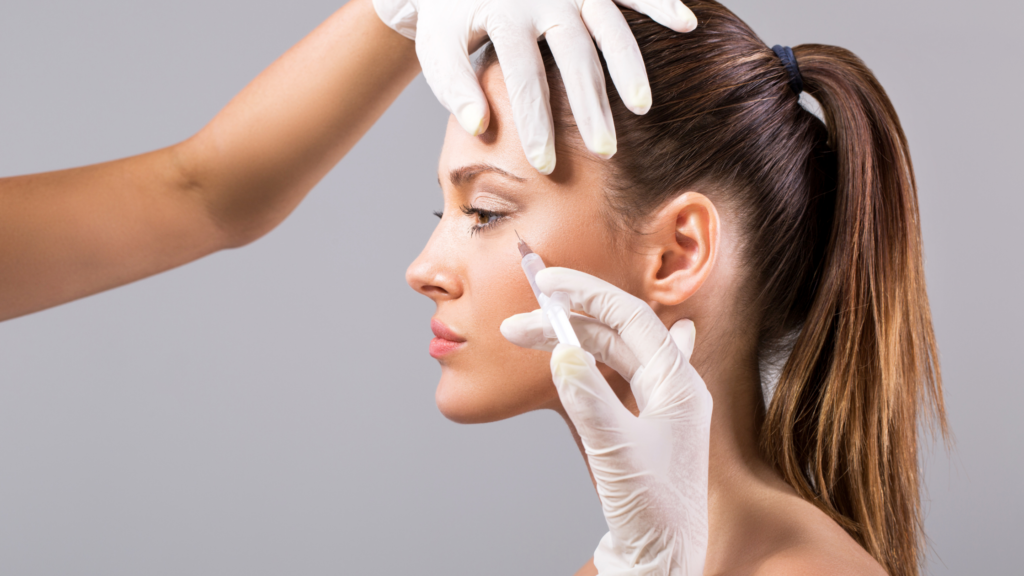
Do you feel bothered by wrinkles or fine lines on your face? Botox is a popular nonsurgical treatment that can help smooth these signs of aging. This blog post explains everything you should know about Botox cosmetic treatments, from how it works to what to expect during the procedure.
Keep reading to find out if Botox is right for you.
What is Botox Cosmetic Treatment?
Botox Cosmetic Treatment is a nonsurgical injectable treatment. It uses a purified form of botulinum toxin type A as its main ingredient. Doctors inject it in small doses to relax muscle activity under the skin. This process helps smooth out wrinkles, frown lines, and crow’s feet.
The FDA approved Botox for cosmetic use in 2002. Since then, millions have chosen this popular wrinkle treatment each year for facial rejuvenation and antiaging benefits. The procedure takes only minutes with little to no recovery time needed after the injections.
Botox offers temporary results; most effects last three to four months before a repeat session may be needed for continued cosmetic enhancement.
How Does Botox Work?
Doctors use Botox as an injectable treatment to smooth wrinkles and lines. The main ingredient is botulinum toxin type A, a purified protein from bacteria. This neurotoxin blocks signals between nerves and muscles.
As a result, the treated muscle cannot contract as usual. Frown lines on the forehead or around the eyes fade because of this muscle relaxation.
A small amount of Botox injection stops nerve messages that tell muscles to move. Doctors call this “neuromodulation.” Only targeted facial muscles get affected; other nearby parts stay normal.
Results start showing within 3 to 5 days after treatment, with full effect in up to two weeks. Each session offers temporary improvement that lasts about three to six months before follow-up injections are needed for continued wrinkle reduction or cosmetic enhancement.
Cosmetic Uses of Botox
Botox is great for smoothing out wrinkles and fine lines, giving your face a youthful look. It can also help make your facial features more balanced. Want to learn how it works? Keep reading!
Reducing wrinkles and fine lines
Botox is well-known for reducing wrinkles and fine lines. These injections work by relaxing the muscles that cause these lines. As a result, skin appears smoother and younger. People often use Botox to treat frown lines, crow’s feet, and forehead creases.
This treatment is quick and causes minimal discomfort. Many see results within days after the procedure. The effect can last for several months, making it a popular choice for cosmetic enhancement.
It is an effective option for antiaging without surgery. Botox works wonders on wrinkles by relaxing the muscles beneath.
Enhancing facial symmetry
Botox can help improve facial symmetry. Many people have slight differences in how their features look. For example, one eyebrow may sit higher than the other. This imbalance can make a person feel less confident about their appearance.
With Botox, you can smooth out frown lines or lift eyebrows for a more even look. These small changes can enhance your overall face shape and boost self-esteem. Next, we will explore the medical uses of Botox treatments.
Medical Uses of Botox
Botox is not just for beauty; it helps with medical issues too. It can treat migraines and reduce excessive sweating. Many people find relief through these injections. If you’re curious about how Botox can help you medically, keep reading!
Treating migraines
Botox is not just for beauty; it can help with migraines too. This treatment uses small injections of botulinum toxin to relax the muscles in the head and neck. Many people who suffer from chronic migraines find relief after these injections. The effects can last up to three months, making life easier for those affected.
Doctors often recommend Botox for patients who do not respond to other treatments. Studies show that Botox can reduce the number of migraine days each month. It’s a safe option that many find beneficial as part of their ongoing care.
Managing excessive sweating (hyperhidrosis)
Excessive sweating, known as hyperhidrosis, can be a big problem for many people. It occurs when the body sweats more than needed to cool down. This can happen in areas like the underarms, hands, and face. Botox injections offer a solution for this issue.
The neurotoxin helps calm the muscles that cause sweating. Blocking signals from nerves, effectively reduces sweat production. Treatments are quick and usually take about 30 minutes.
Results can last for several months before another session is needed. With this approach, you can enjoy daily life without worrying about excessive sweating or embarrassing moments. Many people rely on Botox as their go-to wrinkle smoothing treatment for achieving a more youthful appearance.
Preparation for Botox Treatments
Before getting Botox treatments, some steps can help you prepare. Being ready can make the experience smoother.
- Schedule a consultation with a qualified provider. Discuss your goals and any concerns. This step is key to getting the best results.
- Avoid blood thinners for a few days before treatment. These include aspirin, ibuprofen, and certain herbal supplements. Reducing these will lower your risk of bruising.
- Stop drinking alcohol at least 24 hours before your appointment. Alcohol can increase swelling and make side effects worse.
- Inform your provider about any medications you take or health issues you have. This information helps them tailor the treatment to you.
- Plan to arrive with a clean face on the day of treatment. Wash your skin gently but thoroughly; this step ensures that no makeup interferes with the injections.
- Discuss any allergies or past reactions to Botox or similar products with your provider. Knowing this helps avoid potential problems.
- Arrange for someone to drive you home if you’re feeling anxious about the procedure; this support can help ease stress afterward.
- Be prepared for some temporary discomfort during the injections; this might feel like small pinches or stings but usually goes away quickly.
- Set aside time after treatment for rest if needed; many people continue their daily activities right away, but some prefer a break first.
These steps can improve your experience and results from Botox treatments.
What to Expect During a Botox Procedure
You will have a smooth experience during your Botox procedure. Knowing what to expect can ease any worries you may have.
- You will start with a consultation. The doctor will discuss your goals and examine your face.
- The area for treatment will be cleaned. This step helps prevent infection.
- A topical anesthetic may be applied. This can numb the skin and make the injections more comfortable.
- Small injections will be given. The doctor uses a fine needle to inject Botox into specific muscles.
- You may feel slight pressure or pinching during the injections. Most people find this discomfort mild and quick.
- The number of injections depends on your needs. Some people need several, while others need just a few.
- Treatment usually takes about 15 to 30 minutes. It is quick and does not require much time.
- You might notice immediate results within days; however, full effects may take up to two weeks.
- Minimal downtime is involved; most people return to normal activities right after treatment.
- After the procedure, you should avoid rubbing the treated area; this helps keep Botox in place.
- Drinking alcohol should be avoided for 24 hours post-treatment; it can increase bruising risks.
Enjoy your fresh look after your Botox treatment!
Aftercare Tips for Botox Injections
After getting Botox injections, good aftercare is important. These tips can help you get the best results.
- Keep your head upright for at least four hours. This helps the Botox settle in properly.
- Avoid touching your face for 24 hours. Touching can spread the product to other areas.
- Skip strenuous activities for a day. Heavy exercise can affect how well the treatment works.
- Stay away from hot environments like saunas and steam rooms right after treatment. Heat can increase swelling and redness.
- Don’t lie down flat for four to six hours post-treatment. This keeps the Botox in place.
- Avoid alcohol for 24 hours before and after your procedure. It can increase bruising and swelling.
- Don’t use makeup for at least 24 hours after your injections, unless your doctor says it’s okay.
- Follow up with your provider if you notice any unusual side effects or if you have concerns about your results.
These tips will help ensure a smooth recovery process after treatments. Next, we’ll explore the risks and side effects of Botox injections.
Risks and Side Effects of Botox
Botox treatments can cause some risks and side effects. Common issues include redness, swelling, or bruising at the injection site. Some people experience headaches after treatment.
Muscle weakness may also occur around the area where the injections were given. Many people in the area are choosing to explore the benefits of botox in Saskatoon for a more youthful appearance.
Serious side effects are rare but possible. They can include drooping eyelids or uneven smile lines. In very few cases, patients have reported breathing difficulties or swallowing problems after Botox injections. It is important to talk to your doctor about these risks before starting any treatment with this neurotoxin.
How Long Do Botox Results Last?
After discussing the risks and side effects of Botox, it is helpful to know how long the results last. Botox results usually appear within a few days after treatment. Most people see smooth skin for about three to six months.
Factors like age and skin type can affect the duration. Regular treatments may help maintain smoother skin longer. People often return for more injections when their wrinkles begin to reappear.
Botox vs. Dermal Fillers: Key Differences
As you consider how long Botox results last, you may also wonder how Botox compares to dermal fillers. Here is a summary of their key differences:
| Feature | Botox | Dermal Fillers |
|---|---|---|
| Main Ingredient | Botulinum toxin type A | Hyaluronic acid, calcium hydroxylapatite, poly-L-lactic acid, or PMMA microspheres |
| How It Works | Relaxes muscles that cause wrinkles | Adds volume under the skin |
| Main Use | Smooths dynamic lines (crow’s feet, forehead lines, frown lines) | Fills static lines, plumps lips and cheeks, restores volume lost with age |
| Onset of Results | 3 to 7 days | Immediate or within a few days |
| How Long Results Last | 3 to 4 months | 6 months to 2 years, depending on filler type |
| FDA Approval Year | 2002 (cosmetic use) | Juvéderm: 2006, Restylane: 2003, others vary |
| Reversibility | Not immediately reversible; wears off over time | Some fillers, like hyaluronic acid, can be dissolved with hyaluronidase |
| Pain Level | Minimal discomfort, quick injection | Mild to moderate, sometimes local anesthesia used |
| Popular Brands | Botox Cosmetic, Xeomin, Dysport, Jeuveau | Juvéderm, Restylane, Radiesse, Sculptra |
| Best For | Forehead lines, frown lines, crow’s feet | Smile lines, lip enhancement, restoring cheek volume |
| Age Group | Usually adults 18 and older; most common among ages 30-60 | Adults 21 and older; often used by people in their 30s to 70s |
Conclusion
Botox can be a great option for many people. It helps smooth out wrinkles and refresh your look. This treatment is quick and nonsurgical, making it easy to fit into your life. Understanding the process and effects ensures you make a good choice for your cosmetic goals.
If you’re considering Botox, talk to a qualified provider who can answer your questions.

Practical Ways Parents Can Support Children With Autism

Signs You May Need Mold Inspection and Testing

How to Choose the Right Renovation Contractor

Common Dental Emergencies and How to Respond

What to Consider Before Undergoing Plastic Surgery

Benefits of Regular Dog Grooming for Pet Health

How to Care for and Maintain Sterling Silver Jewelry

Everything You Should Know About Botox Cosmetic Treatments

Olivia Namath: Facts About Joe Namath’s Daughter

Otelia Cox: The Private Life of Tony Cox’s Longtime Partner

Dixie Brubaker: Life Story of Dinesh D’Souza’s Former Wife

JOP Net Worth 2025: How Rich Is the Fuerza Regida Frontman?

Rouba Saadeh: Life, Career, and Everything About Michele Morrone’s Ex-Wife

All About David Rubulotta – Age, Career, Family, and Life with Erin Burnett

Who Is Rebecca Romney? Life, Work, and Personal Story

Who is Harry Joseph Letterman? Facts About David Letterman’s Son

Who Is Terrence Duckett? Facts About Jasmine Guy’s Ex-Husband

Cindy Costner Net Worth – Inside the Life of Kevin Costner’s First Love

All About Ryan McPartlin: Career, Acting, Family, and More

Who is Jason The Ween? Bio, Career, Age, and More
Practical Ways Parents Can Support Children With Autism
Signs You May Need Mold Inspection and Testing
How to Choose the Right Renovation Contractor
Common Dental Emergencies and How to Respond
What to Consider Before Undergoing Plastic Surgery
Benefits of Regular Dog Grooming for Pet Health
How to Care for and Maintain Sterling Silver Jewelry
Everything You Should Know About Botox Cosmetic Treatments
Olivia Namath: Facts About Joe Namath’s Daughter