
Life Style
Can You Eat Goldfish? A Surprising Look at Goldfish, Their Purpose, and Responsible Goldfish Tank Care

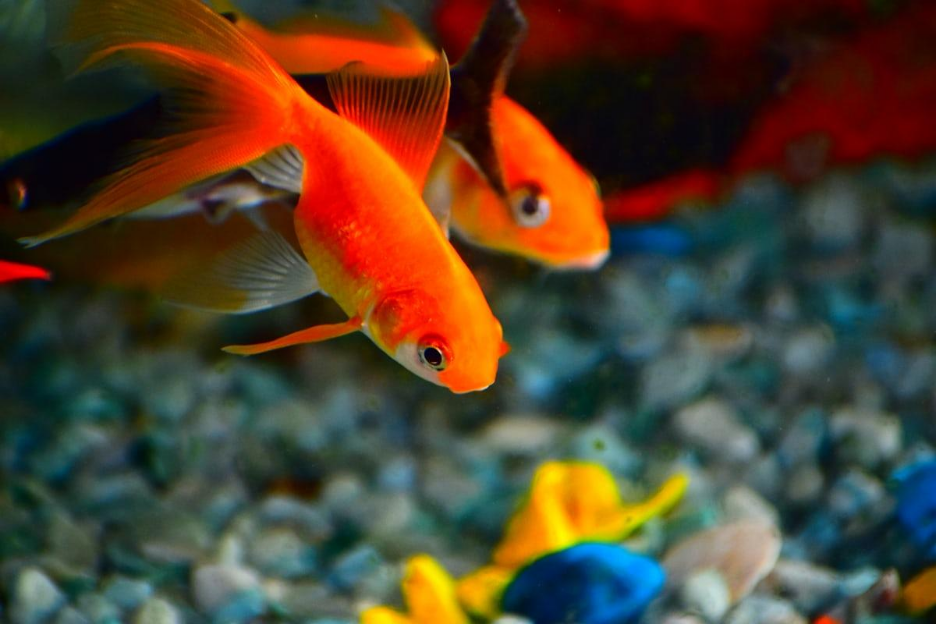
Goldfish are probably one of the most popular home pets in the world that are known to possess lustrous colors, slow motions, and surprisingly vivid personalities. However, regardless of their popularity, there is one strange and rather disputable question that may sometimes appear: Can you eat goldfish? In its simplest form the concept might be viewed as bizarre, even disturbing, although the reasons behind the question are an exciting and captivating exploration into the history, biology and the purpose of goldfish. The question, whether posed in curiosity, jocularly, or with serious intent, paves the way to a bigger discussion on the role of goldfish in our lives, how we came to have them, and why it is so important to take good care of goldfish in their tanks.
This blog explores the subject matter at some depth, not only to answer the question of whether or not the goldfish are edible, but also why they should or should not be eaten, what they represent in the context of aquarium culture, and how knowing more about their biology may make them healthier and more ethical in our care. When we discuss these special animals, we shall also outline how good care, maintenance of your tanks, feeding habits and environmental consciousness determines the existence and well being of your goldfish. By the time this question is answered, not only will you have completely answered the question, Can you eat goldfish? but you will also have a complete method of keeping them safe, healthy and flourishing in your goldfish tank.
Can You Eat Goldfish? The Technical Answer
Purely biological, the technical response is yes the goldfish is edible. They are not poisonous, they are not toxic and they are of the carp family of fish that are consumed in various parts of the world immensely. But that does not make them edible, and therefore to be eaten. Similar to koi, minnows and other freshwater fishes, goldfish is technically edible by people.
However, there is a lot of distinction between what is biologically feasible and what is morally, practically or even logically recommended. Goldfish are not reared as edibles. They are not reared, nourished, or treated in any way that would ever make them safe or good eating. They are kept as pets, displayed animals and in several cultures, they are seen as good omen, good fortune, and harmony.
Thus, it is not necessarily dangerous to eat a goldfish, but it is biologically distasteful, morally dubious, and in most cases dangerous because of the way they are stored and nurtured.
Why You Should Not and Should Not Eat Goldfish.
To gain a complete insight into the issue of why it is problematic to eat goldfish, one should go beyond the biological category of the fish and explore their breeding, rearing and transportation.
Mass production of aquarium stores in large amounts produces goldfish, not farms that qualify to meet the necessary safety requirements of food production. They may be exposed to:
- Excessive ammonia concentration in breeding tanks.
- Bacteria, and even parasites that are detrimental to the human body.
- Chemical interventions, such as dyes, antibiotics, and antiparasitic solutions.
- Food-grade fish require dietary products of high quality that are not grain-based like a poor-quality diet.
The absence of the treatment of goldfish as food animals means that none of the mechanisms employed to guarantee safe human consumption are implemented. This renders them a bad- and possibly dangerous-place to eat.
Also, there is no food culture or nutritional foundation of consuming goldfish. Their flesh has been heard to be soft, stilted, and very nasty to taste, like bad carp. The majority of individuals who ever tried to cook or eat a goldfish note a dirty, greasy and bitter taste that makes the process rather a challenge than a meal.
One of these is a Cultural and Ethical Perspective.
The history of goldfish is very ancient and it dates back to over a millennium. They were bred for beauty and were carefully kept in ornamental ponds and ceramic vessels and originated in China in the Tang Dynasty period. With the course of centuries, goldfish was transformed into a representation of good fortune, calmness, and peace. Consuming them would be against cultural sanctity in various areas.
Today, goldfish are pets, but not a commodity. Millions of families keep a goldfish tank not to eat, but to be happy, relaxed and close to nature. The behavior of goldfishes resembles the emotional one, they are aware of their owners, respond to feeding the fish, and show personalities. This friendship complicates the moral aspect to eat them among themselves, by the owner of pets and animal lovers.
Learning to Be a Goldfish: Why the life of a pet is important.
It is also advisable to consider what goldfish are before answering the question of why they should not be eaten; sensitive, intelligent, highly interactive animals. Research demonstrates that the goldfish can:
Learning the design of their tank by heart.
Differentiate between shapes, colors and even human faces.
Learn feeding routines
Experience stress, discomfort, and changes in the environment.
Show enthusiasm, appreciation and interest.
Such cognition and sensory awareness is an appeal to a fish that should be treated humanely, well taken care of, and respected, rather than be used as a test subject in a cooking experiment.
The Goldfish Tank: Caring to their Health and Well-Being.
In the event that the eating goldfish subject generates a deeper appreciation of their biology and care requirements, then the discussion would be fruitful. Goldfish demand a lot of care than one may think and building a quality and well-kept tank of goldfish will be the key to long life and good quality.
Space Requirements and Tank Size.
Goldfish have been used as a poorly depicted image of small low-maintenance pets to keep in bowls. As a matter of fact, they are huge unclean fish that develop fast and need a lot of swimming area.
- At least 20 gallons per fish are needed in fancy goldfish.
- Ordinary goldfish need 30 gallons or above.
- Pond goldfish perform well in the open air where there is ample space.
A small tank places a limit on movement, impairs growth and exposes them to stressful environments which weakens their body defenses.
Water Filtration and Quality.
The generation of wastes that the goldfish generate compared to other freshwater species makes a powerful filtration system necessary. Not only are their organs and gills damaged by dirty water, but their eyesight and capacity to communicate with the world around is also impaired.
Correct maintenance of tanks involves:
- Partial changes of water every week.
- Regular filter cleaning
- Checking the levels of ammonia, nitrate and nitrite.
- Stable PH and temperature.
- Clean water means a healthier and livelier gold fish.
Feeding Goldfish: How to Feed Goldfish.
The other factor that makes goldfish not worth eating is that their food is not to feed but to look beautiful and live long. The goldfish consume pellets, flakes, vegetables, algae and rare protein sources, not the nutritious diets needed by edible fish species.
Goldfish thrive on:
- High-quality pellets rich in plant matter
- Blanched vegetables like peas and spinach
- Occasional live or frozen foods like brine shrimp
- Moderate feeding to prevent digestion issues
Overfeeding leads to obesity, swim bladder problems, and tank pollution, all of which shorten a goldfish’s life.
Why the Question “Can You Eat Goldfish?” Actually Matters
The question becomes meaningful when used as a learning opportunity. When individuals ask this question, it often reveals:
- Curiosity about goldfish biology
- Misunderstanding about fish species and food safety
- Lack of awareness about proper goldfish care
- Confusion due to viral stunts or internet culture
By addressing the question responsibly, we open the door to promoting better animal welfare, discouraging harmful practices, and educating new goldfish owners about ethical care.
Goldfish as Part of a Balanced Ecosystem
Goldfish contribute to aquatic ecosystems—not as food, but as companions and natural cleaners. In well-maintained tanks or ponds, they help regulate algae, maintain ecological balance, and create a peaceful atmosphere. Their presence brings life, color, and movement to indoor and outdoor environments.
They play a role in:
- Stress reduction
- Decorative appeal
- Educational opportunities for children
- Encouraging environmental responsibility
The value of a goldfish extends far beyond any discussion of edibility.
Conclusion
The question “Can you eat goldfish?” may spark curiosity, but the deeper answer reveals far more about ethics, biology, culture, and responsible pet care than it does about culinary practices. While goldfish are technically edible, they are not raised, treated, or intended for human consumption. More importantly, they hold a significant role as pets, companions, and symbols of tranquility, making the idea of eating them unnecessary and inappropriate.
Understanding why goldfish should not be consumed opens the door to appreciating them as living beings deserving of care, respect, and proper environments. By investing in a well-maintained goldfish tank, offering high-quality nutrition, and providing adequate space and enrichment, you can ensure your goldfish lives a long, healthy, and fulfilling life. Ultimately, the discussion is not about whether you can eat a goldfish but about why you shouldn’t—and how you can instead give them the life they deserve.
Frequently Asked Questions (FAQ)
1. Is it safe to eat a goldfish?
While a goldfish is technically edible, it is not safe to eat due to poor breeding conditions, potential exposure to chemicals, and the risk of harmful bacteria. They are not raised as food fish, making consumption unsuitable and unsafe.
2. What does goldfish taste like?
Most reports describe goldfish as tasting muddy, bitter, and unpleasant. Their diet and water conditions significantly affect their flesh, making them unsuitable for culinary use.
3. Are goldfish poisonous to humans?
Goldfish are not poisonous, but they may carry parasites and bacteria from unregulated environments. Consuming them poses health risks and is not recommended.
4. Why are goldfish sold as pets and not food?
Goldfish have been bred for ornamental purposes for centuries, valued for their beauty and symbolism. Their care, diet, and breeding methods are designed to support long life—not human consumption.
5. How can I keep my goldfish healthy in a tank?
A spacious tank, good filtration, consistent water changes, and a balanced diet are the key to maintaining goldfish health. Providing proper lighting, enrichment, and clean conditions ensures longevity and vitality.
6. Can goldfish live with other fish?
Yes, goldfish can live with compatible cold-water species, but tank size and water quality must be carefully managed. Avoid pairing them with tropical species that require different environments.

A Sociological Look at Discord Study Groups and Gen Z Lifestyle

Transforming Your Bedroom into a Personal Sanctuary: A Woman’s Guide to Style and Function in 2026

How The Best Laser For Wrinkles Can Transform Your Skincare Routine

7 Benefits of Hearing Aid in Malaysia for Seniors

Scott Patterson’s First Wife, Vera Davich: Everything You Need to Know

All About Shaherah White: Barry White’s Daughter, Family, and Journey

Understanding Investment Thresholds for Permanent cand Citizenship Pathways

Who Is AJ Lambert? Her Career, Style, and Legacy

Daniella Liben’s Journey: Family, Career, and Life With Adam Pally

6 Ways Dentist In Bensalem, PA Helps Maintain Oral Health

Dixie Brubaker: Life Story of Dinesh D’Souza’s Former Wife

JOP Net Worth 2025: How Rich Is the Fuerza Regida Frontman?

Rouba Saadeh: Life, Career, and Everything About Michele Morrone’s Ex-Wife

All About David Rubulotta – Age, Career, Family, and Life with Erin Burnett

Who Is Rebecca Romney? Life, Work, and Personal Story

Who is Harry Joseph Letterman? Facts About David Letterman’s Son

Who Is Terrence Duckett? Facts About Jasmine Guy’s Ex-Husband

Cindy Costner Net Worth – Inside the Life of Kevin Costner’s First Love

All About Ryan McPartlin: Career, Acting, Family, and More

Who Is Khalyla Kuhn? Life, Family, and Career of Bobby Lee’s Partner
A Sociological Look at Discord Study Groups and Gen Z Lifestyle
Transforming Your Bedroom into a Personal Sanctuary: A Woman’s Guide to Style and Function in 2026
How The Best Laser For Wrinkles Can Transform Your Skincare Routine
7 Benefits of Hearing Aid in Malaysia for Seniors
Scott Patterson’s First Wife, Vera Davich: Everything You Need to Know
All About Shaherah White: Barry White’s Daughter, Family, and Journey
Understanding Investment Thresholds for Permanent cand Citizenship Pathways
Who Is AJ Lambert? Her Career, Style, and Legacy
Daniella Liben’s Journey: Family, Career, and Life With Adam Pally