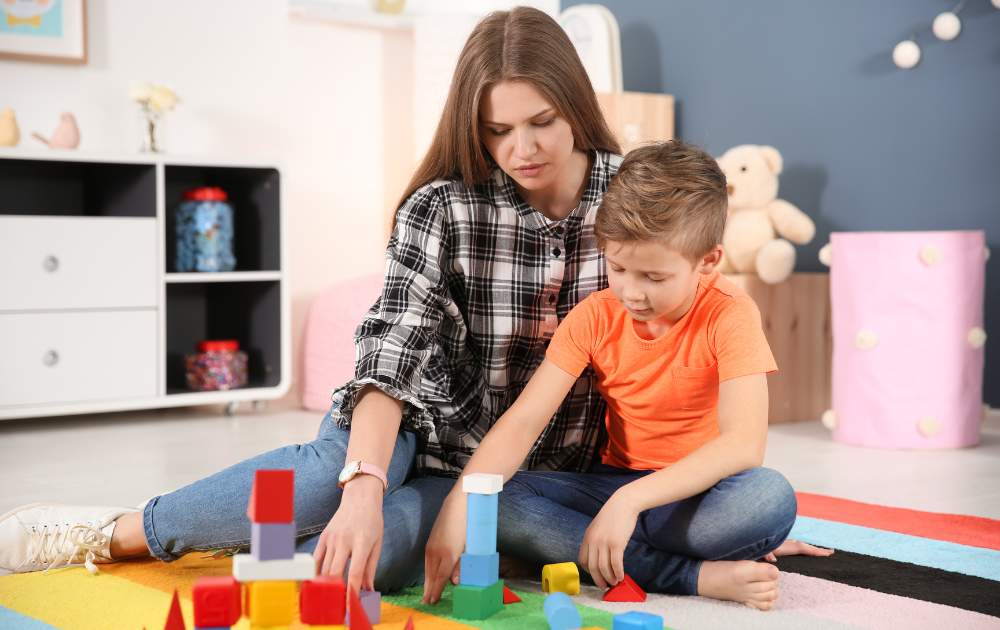
Many parents feel lost when trying to support their child with autism. One in 36 children is now diagnosed with Autism Spectrum Disorder in the United States. This blog gives clear steps and strategies for helping your child grow, learn, and connect.
Find useful tips and real help inside this guide.
Create a Structured and Safe Environment
Children with Autism Spectrum Disorder thrive in routines. Clear daily schedules help reduce stress and anxiety. You can create a schedule using pictures, color-coded calendars, or simple written checklists.
These tools set clear expectations and give your child confidence. Consistent routines at home make it easier for children to understand what happens next.
Safety is also important for children with autism because some may wander off or have trouble understanding danger. Place locks on doors and windows if needed. Remove sharp objects and hazardous items from reach.
Safe spaces let your child relax when they feel overwhelmed by noise or bright lights, which is common due to sensory processing challenges.
Supporting communication development builds on this foundation of structure and safety.
Support Communication Development
Help your child express their needs in simple ways. Use everyday moments to build understanding and trust during conversations.
Use visual aids and nonverbal communication
Children with autism often thrive with clear support. Visual aids and nonverbal communication can make a big difference in their lives.
- Use pictures to help your child understand daily tasks. Visual schedules show what comes next, making routines easier.
- Choose symbols or icons that are meaningful for your child. These can represent emotions, actions, or objects they interact with.
- Use gestures to communicate important messages. Pointing or using hand signs can reinforce what you are saying.
- Provide visual cues during conversations. This might include showing a picture related to the topic being discussed.
- Encourage your child to use drawings or photos to express feelings and ideas. This gives them an outlet for communication without needing spoken words.
To enhance your child’s journey, consider exploring various autism parent resources that provide valuable insights and support.
- Create a visual environment at home with labels on common items. This helps children associate words with objects around them.
- Be patient when using nonverbal methods of communication. Give your child time to respond and process information through images or gestures.
- Integrate technology like tablets that have apps designed for visual learning. These tools can engage children while teaching skills they need.
- Celebrate successes in using visual aids and nonverbal communication, no matter how small they seem.
These strategies support communication development effectively for children on the autism spectrum, helping them feel understood and safe in their environment.
Encourage meaningful interactions
Encouraging meaningful interactions helps children with autism build social skills. Focus on activities that your child enjoys. Use games, art, or music to connect with them. These activities can spark conversations and promote bonding.
Pay attention to their interests. Ask open-ended questions that require more than yes or no answers.
Create opportunities for interactions with peers in safe spaces. Arrange playdates or group activities where your child feels comfortable. Help guide the conversation without taking over.
This support fosters friendships and improves communication skills as they practice interacting with others. Next, develop a personalized support plan designed to meet your child’s unique needs.
Develop a Personalized Support Plan
Every child is unique. To help your child succeed, make a support plan just for them. Focus on their strengths and challenges. Use specific strategies that fit their needs well.
Tailor strategies to your child’s unique needs
Each child with autism is different. Strategies should fit your child’s unique needs. Start by observing their behaviors and interests. This helps you understand what works best for them.
Use this knowledge to create special plans. Include activities that match their strengths and challenges. For example, if they enjoy art, use it as a way to communicate feelings. Adjust your methods over time as your child grows and changes.
The right support will help them thrive in daily life.
Incorporate sensory integration techniques
Tailoring strategies to fit your child’s needs is key. Sensory integration techniques can help children with autism process information better.
- Use calming sensory tools. Items like fidget toys or weighted blankets can create comfort and reduce anxiety.
- Create a sensory-friendly space. Designate a quiet area at home where your child can escape when they feel overwhelmed.
- Explore different textures. Let your child play with various materials like sand, water, or soft fabrics to engage their senses.
- Try calming scents. Aromatherapy can help soothe your child’s mind and improve focus during tasks.
- Incorporate movement activities. Activities like swinging or jumping on a trampoline provide sensory input that children often seek.
- Offer noise-canceling headphones. These can help reduce overwhelming sounds in busy environments, making outings more enjoyable.
- Use visual schedules for daily routines. Visual aids can guide your child through daily activities, providing structure and predictability.
- Engage in deep pressure activities together. Activities such as rolling up in a blanket or squeezing playdough can promote relaxation and comfort.
Sensory integration techniques aid in emotional support and behavior management for children with autism spectrum disorder.
Promote Social Skills and Relationships
Children with autism can benefit from social skills training. Create fun ways for them to interact with peers in safe spaces.
Introduce social opportunities in comfortable settings
Finding social chances for kids with autism is key. These activities should feel safe and relaxing. Start by inviting a few friends over for playdates. Choose games that your child enjoys to encourage participation.
It helps to have familiar toys and spaces.
Visit community events or small gatherings as well. Activities like arts and crafts can spark interest in peers. Encourage your child to engage with others through these fun settings, fostering friendships along the way.
Social skills training can also be beneficial during these moments of interaction, helping children build confidence in social situations.
Encourage peer interactions and friendships
Encourage your child to make friends. Start by setting up playdates with one or two peers. Choose a familiar and comfortable place, like your home or a quiet park. This helps reduce stress and makes it easier for kids to connect.
Use games and activities that allow for teamwork. Board games or simple sports can help children practice social skills. Praise their efforts to interact with others. Celebrate small successes in building friendships, as this boosts their confidence and social skills over time.
Seek Professional Help and Resources
Get help from experts who understand autism. They can offer early intervention and therapy services to help your child thrive.
Access early intervention and therapy services
Early intervention can make a big difference for children with Autism. Therapy services help children develop key skills.
- Search for local early intervention programs. These programs often focus on young kids, usually under three years old. They provide support and guidance suited to your child’s needs.
- Check for available therapy options in your area. Common types include speech therapy, occupational therapy, and behavioral therapy. Each type targets different skills, from communication to daily living tasks.
- Use school resources for extra support. Schools may have special services to help children with Autism succeed in learning. Ask about an Individualized Education Plan (IEP) to meet your child’s specific needs.
- Connect with professionals who specialize in Autism Spectrum Disorder. Therapists and counselors understand the unique challenges faced by your child and family. They guide you through effective strategies and techniques.
- Seek out support groups for parents of kids with Autism. These groups offer a space to share experiences and advice while connecting with others facing similar challenges.
- Research online resources that offer tips and tools for parents. Many organizations provide information on interventions and behavioral techniques that can aid development.
- Evaluate any progress made through these services regularly, adjust goals as needed, and stay involved in your child’s journey.
- Encourage ongoing collaboration among all the professionals involved with your child; this helps ensure everyone is aligned regarding their development journey.
Work with schools and support groups
Working with schools and support groups is vital for children with autism. These partnerships can provide essential resources and guidance.
- Share your child’s strengths and challenges with teachers. This helps them understand how to give the right support at school.
- Attend school meetings regularly. Stay involved in your child’s education and be part of the decision-making process.
- Collaborate on an Individualized Education Plan (IEP). This plan outlines specific goals for your child and how the school will help achieve them.
- Join parent support groups in your community. These groups offer emotional support, ideas, and shared experiences from other parents facing similar challenges.
- Seek out therapy services through schools or community centers. Accessing these services early can make a big difference in development.
- Engage with special education staff at school often. They have experience working with kids who have developmental challenges.
- Encourage friendships by organizing playdates with classmates. Building social skills can start in a familiar environment.
- Look for workshops or training sessions offered by schools or local organizations about autism support strategies.
Many organizations offer valuable ASD resources for parents to help them navigate the challenges of raising a child with autism.
- Talk openly about autism within your networks to raise awareness. Awareness creates understanding among peers and improves social interactions for all children.
These actions help nurture communication skills and promote positive behavior in children with autism while also supporting you as a parent.
Practice Self-Care and Mindfulness
Taking care of yourself is key. Mindfulness can help reduce stress and improve your mood.
Manage stress through mindfulness techniques
Mindfulness techniques help manage stress for parents. These methods create calm and focus.
- Practice deep breathing. Take slow, deep breaths to relax your body and mind.
- Use meditation. Spend a few minutes each day in silence. Focus on your breath or a peaceful image.
- Try yoga. Simple stretches can release tension and improve mood.
- Keep a journal. Write down your thoughts and feelings to process emotions and reduce stress.
- Engage in nature walks. Being outdoors can boost mood and clear your mind.
- Listen to calming music. Soft rhythms can ease anxiety and promote relaxation.
- Attend mindfulness workshops. Learn new skills with others who understand your journey.
- Set aside “me time.” Give yourself breaks to recharge, even for short moments each day.
Using these techniques can support emotional health while parenting children with autism.
Seek support for yourself and your family
Managing stress is vital for parents and families. Support can come from friends, family, or professionals. Joining a support group helps many families feel less alone. You can share your feelings with others who understand.
Professional help is also valuable for you and your child. Therapists focus on coping skills for parents and offer tools to deal with daily challenges. Look into community resources too; they often provide helpful programs for both children and families.
Seeking support strengthens your family’s bonds and well-being.
Conclusion
Supporting children with autism is a journey. Parents play a big role in this process. Use simple strategies to help your child thrive. Build a strong support system with professionals and friends.
Stay positive and focused on growth; every small step counts toward success.