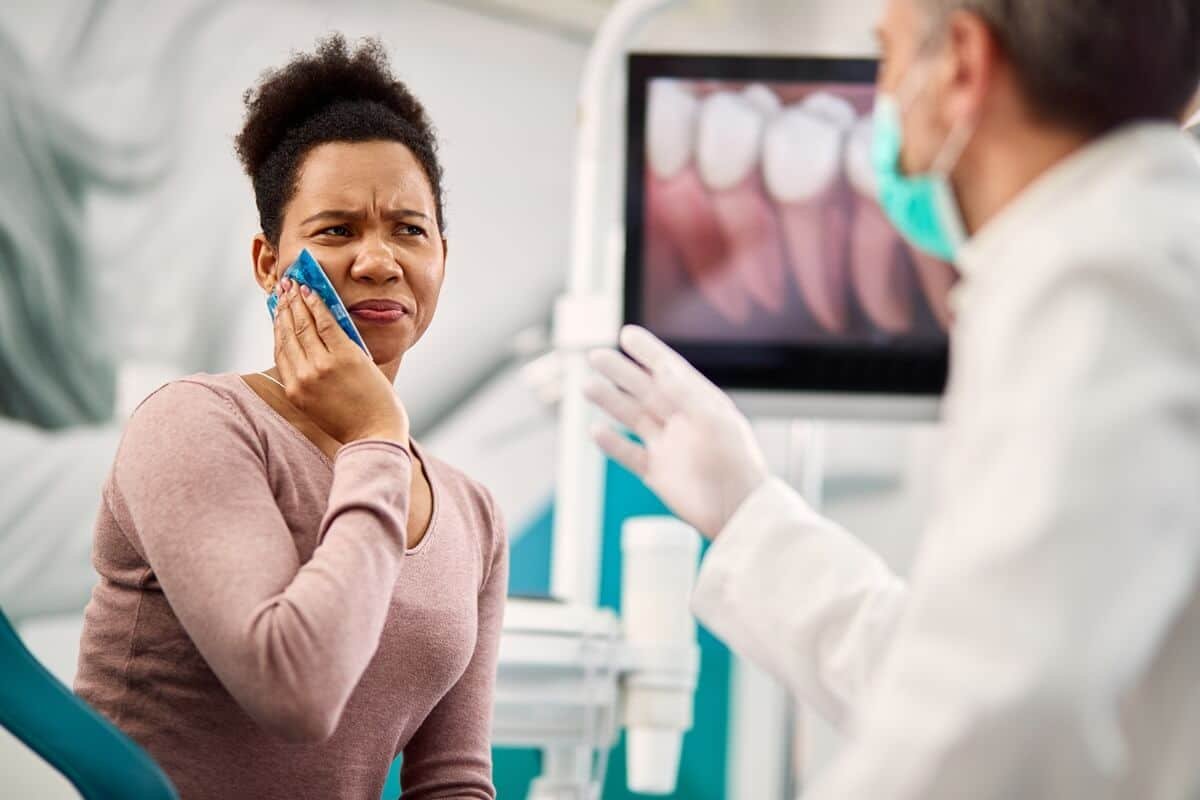
Tooth pain or injury can happen to anyone at any time. Every year, millions of people visit the dentist for sudden mouth problems. In this post, you will learn how to handle common dental emergencies and know when you need emergency care.
Read on to feel more prepared if a dental crisis strikes.
Recognizing True Dental Emergencies
Some dental problems need quick action to prevent more harm. Knowing the signs of a real dental emergency helps you act fast and get the right help.
Severe toothaches
Severe toothaches often signal a serious dental problem. Tooth pain may come from deep cavities, an oral infection, or a cracked tooth. Sometimes the pain spreads to your jaw, ear, or head.
Chewing and drinking can make it worse. A dental abscess may cause swelling and fever along with strong pain.
Try rinsing your mouth with warm water to clean it out if you have sudden pain. Gently floss to remove food stuck between teeth but do not use sharp objects. If swelling is present, put a cold pack on your cheek for 10 minutes at a time to help manage discomfort.
Severe or constant toothache needs emergency dental care right away since infections can spread quickly if left untreated. Prompt treatment stops further damage and helps reduce risks of bigger oral injuries or loss of teeth.
Broken, cracked, or chipped teeth
Broken, cracked, or chipped teeth can cause pain and discomfort. A crack may form from biting something hard or an injury. You might feel sharp pain when chewing if your tooth has a chip.
This kind of damage exposes the inner layer of the tooth to bacteria, risking infection.
If you have a broken tooth, rinse your mouth with warm water. Apply a cold compress on the outside of your cheek to reduce swelling. Save any pieces of the tooth if possible; they can sometimes be reattached by a dentist.
Seek emergency dental care right away for proper treatment and pain management.
Knocked-out teeth
Chipped or broken teeth can lead to more serious problems. A knocked-out tooth is one of those urgent situations. It happens when a tooth becomes completely dislodged from its socket.
This can occur due to an accident, sports injury, or fall.
If this happens, quick action is key. Try to find the tooth right away. Hold it by the crown, not the root. Rinse it gently with water if it’s dirty but don’t scrub it or remove any tissue attached to it.
Place the tooth back into its socket if possible; bite down gently on a clean cloth or gauze to keep it in place. If that’s not an option, store the tooth in milk or saline until you reach an emergency dental care clinic for treatment.
Time matters here—getting help within one hour gives the best chance of saving your tooth.
Oral abscesses or infections
An oral abscess is a painful collection of pus. It forms due to infections in the tooth or gums. Symptoms include swelling, redness, and severe pain. You may also notice bad breath or a bad taste in your mouth.
If left untreated, an abscess can spread the infection to other areas.
Treating an oral abscess often requires dental care from a professional. They may drain the pus and prescribe antibiotics for the infection. Pain management is essential during this process as well.
If you experience a severe toothache that doesn’t subside, it’s crucial to contact an emergency dentist in Astoria for immediate assistance.
Addressing these issues quickly will help prevent further complications like losing your tooth or having ongoing infections.
Next, we’ll discuss when to seek emergency dental care for urgent issues.
Immediate Steps to Take During a Dental Emergency
In a dental emergency, manage pain with cold packs and take over-the-counter medicine. If you have a knocked-out tooth, keep it moist in milk or saline. For broken teeth, rinse your mouth gently and save any pieces.
Need to know more about handling these situations? Keep reading!
Managing pain and swelling
Pain and swelling can make dental emergencies worse. Quick action helps ease discomfort.
- Use over-the-counter pain relievers. Medications like ibuprofen or acetaminophen can reduce pain. Follow the dosage instructions on the package.
- Apply a cold compress to the outside of your cheek. This helps with swelling and numbs pain in your mouth. Hold it there for 15 minutes at a time.
- Rinse your mouth with warm salt water. This can clean the area and soothe swollen gums. Mix one teaspoon of salt into a glass of warm water.
- Avoid hard or crunchy foods if you have oral injuries. Soft foods are easier to eat without hurting your teeth more.
- Stay upright, especially while resting or sleeping. This position reduces blood flow to the injury site, which may help lessen swelling and pain.
- Drink plenty of fluids, but avoid hot drinks that might irritate your mouth further. Cold drinks can feel soothing during this time.
- Keep your head elevated while lying down; this can help reduce swelling in the affected area as well.
- If bleeding occurs, apply gentle pressure with a clean cloth or gauze until the bleeding stops; seek professional care if it doesn’t stop within 10 minutes.
- Seek emergency dental care if pain and swelling do not improve after these steps; a professional can provide better treatment and relief options specific to your needs.
Preserving a knocked-out tooth
Managing pain and swelling is important. Next, act quickly to preserve a knocked-out tooth.
- Handle the tooth carefully, holding it by the crown. Avoid touching the root because this can damage cells needed for reattachment.
- Rinse the tooth gently with water if it’s dirty. Do not scrub or use soap on the tooth.
- Try to place the tooth back in its socket. Bite down softly on a clean cloth or gauze to keep it in place.
- If you can’t put it back, store the tooth in a cup of milk or saline solution. This keeps the tooth moist and alive.
- Do not store a knocked-out tooth in plain water. Water can harm the roots and make reattachment difficult.
- Get to an emergency dental clinic as soon as possible. Time is critical; ideally, see a dentist within 30 minutes.
Taking these steps can help save your smile after a dental emergency involving a knocked-out tooth.
Handling broken or chipped teeth
Broken or chipped teeth can be painful and alarming. Quick action is important to protect your smile and comfort.
- Rinse the mouth gently with warm water. This helps clean the area around the injury.
- Apply a cold compress to reduce swelling and pain. Hold it against the outside of your cheek.
- Use over-the-counter pain relievers for discomfort. Follow the instructions on the label for safety.
- Find any broken pieces of the tooth, if possible. Keep them in a clean container with milk or saliva.
- Avoid chewing on that side of your mouth. This prevents further damage and reduces pain.
- Do not use super glue or any home remedies on a broken tooth. These can cause more harm than good.
- Contact your dentist as soon as you can. Emergency dental care is necessary to fix broken or chipped teeth properly.
- If you cannot reach your dentist, consider going to an emergency dental clinic. They have expertise in treating urgent dental issues.
When to Seek Emergency Dental Care
You need to act fast if you have severe pain or heavy bleeding. If you see a broken tooth or notice swelling, get help right away.
Signs that indicate urgent attention is needed
Urgent dental issues can arise at any time. Knowing the signs helps you act fast.
- Severe pain in your tooth signals a serious problem. It may mean an infection or other damage.
- Bleeding from your gums that won’t stop needs quick care. This could point to gum disease or injury.
- A knocked-out tooth requires immediate action. Time is crucial to save the tooth.
- Swelling around your face or mouth may show an infection. This often comes with pain and needs medical help right away.
- A broken tooth can cause sharp pain and bleeding. Quick treatment is important to prevent further harm.
- Pus coming from your gums indicates an abscess or infection. This needs urgent care to avoid complications.
- Loss of feeling in your gums or tongue can mean nerve damage due to injury or trauma. Seek professional help as soon as possible.
- Difficulty breathing or swallowing should never be ignored. Serious oral injuries may block airways and need emergency help right away.
Acting quickly upon these signs can prevent more serious problems later on and ensure proper dental care.
Situations requiring professional intervention
Situations may arise where you need professional dental care. Urgent care can prevent further damage or pain.
- Severe toothaches indicate serious problems like cavities or infections. These pains can worsen quickly, requiring a dentist’s help.
- A knocked-out tooth needs immediate attention. The sooner you see a dentist, the better chance you have of saving the tooth.
For those seeking a discreet way to straighten their teeth, invisible teeth aligners offer an effective alternative to traditional braces.
- Broken, cracked, or chipped teeth must be evaluated by a professional. Damage can expose nerves and cause infection if not treated soon.
- Oral abscesses show signs of infection, like swelling and pus formation. Immediate treatment is critical to stop the spread of infection.
- Heavy bleeding from the gums or mouth needs urgent care. This could signal a serious injury that requires quick medical intervention.
- Signs of swelling in your face or gums may indicate an infection or trauma. Seeking help right away is essential for proper treatment.
- Pain during chewing or biting suggests underlying issues that should not be ignored. Professional evaluation can provide relief and prevent further complications.
- If you notice any odd changes in your mouth, such as sores that don’t heal, visit a dentist promptly. These changes could hint at more serious conditions needing diagnosis and treatment.
- Lost fillings or crowns leave teeth vulnerable to decay and pain; immediate replacement should be arranged with your dentist for protection against future issues.
- Any trauma to the mouth from an accident may require urgent dental assessment to check for fractures or other injuries that need swift action.
Preventing Future Dental Emergencies
You can avoid many dental problems with regular checkups. Wear mouthguards when playing sports to protect your teeth from injury.
Regular dental checkups
Regular dental checkups are important for good oral health. Visiting the dentist helps catch problems early. A small issue can turn into a big one if left alone. Dental exams often include cleaning and X-rays to find hidden problems.
Checkups usually happen every six months. This routine care prevents tooth decay and gum disease. Dentists can offer tips on brushing and flossing too, helping you keep your smile bright.
Keeping these appointments is key to avoiding future dental emergencies like infections or severe toothaches.
Using protective gear during physical activities
Using protective gear is essential during physical activities. Gear like mouthguards can prevent dental trauma from impacts. Sports often come with risks of injuries to the mouth and teeth, especially in contact sports like football or hockey.
A simple piece of protection can save a knocked-out tooth or lessen pain from a chipped tooth.
Always wear proper gear when playing sports. It helps keep your smile safe. Parents should encourage kids to use mouthguards during games and practices. Protecting teeth now means fewer emergencies later on, leading to better dental care outcomes.
Conclusion
Dental emergencies can be frightening. Quick action is key to managing pain and preserving your teeth. Knowing how to respond makes a big difference. Regular checkups help prevent many problems, too.
Stay prepared and keep your smile healthy!