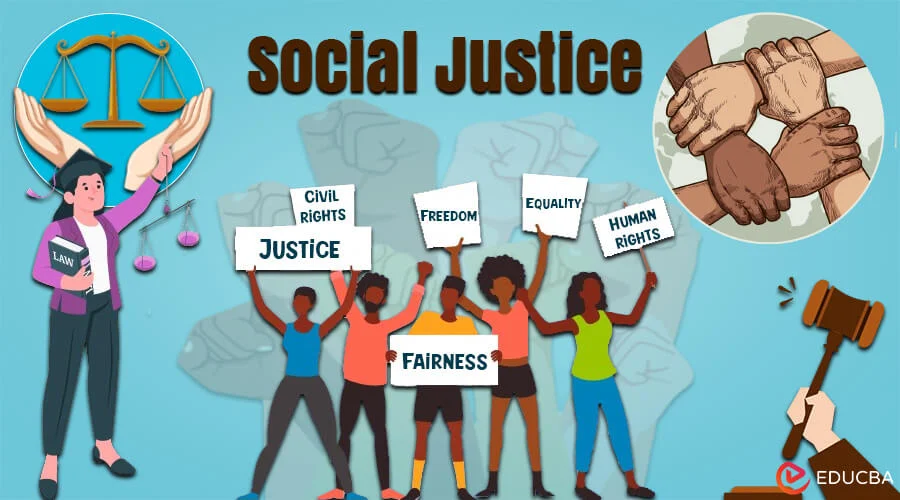
Women’s rights have gained prominence in global discussions on social justice and equality, yet many challenges persist across various regions. The struggle for gender equality is influenced by cultural, economic, and political factors that vary significantly from place to place. Creating a situation report that captures the state of women’s rights can be a powerful tool for advocacy and policymaking. Such reports must be comprehensive, insightful, and data-driven to serve their intended purpose effectively.
In this blog post, we will explore the 10 key indicators that should be included in any women’s rights situation report. These indicators not only serve as critical benchmarks but also help in understanding the nuances of women’s experiences and challenges.
By focusing on these aspects, rights advocates can make informed arguments that resonate with policymakers and the public, amplifying the call for social justice. For a more detailed analysis of various regions and their contexts, refer to studies like the country expert report which can provide invaluable insights.
1. Legal Framework on Gender Equality
The first indicator to assess the status of women’s rights is the legal framework concerning gender equality. This includes laws related to employment, marriage, property rights, and domestic violence. If a legal system does not adequately protect women’s rights, it reflects a significant barrier to achieving equality. Consequently, any situation report must highlight existing laws and any forms of discrimination embedded within those laws.
In evaluating the legal landscape, it’s crucial to note whether laws exist to protect women from gender-based violence and discrimination. Are these laws enforced effectively? An understanding of the legal framework creates a baseline from which to measure progress—or the lack thereof over time.
2. Access to Education
Education is a fundamental right and a building block for empowerment. The second key indicator involves examining women’s access to education, including enrollment rates, literacy rates, and dropout rates at various educational levels. This indicator allows advocates to assess the barriers women face in pursuing education, from societal expectations to economic constraints.
A deeper exploration into the quality of educational experiences for women and girls is also essential. Are there gender biases in curricula? Are women encouraged to pursue STEM fields or leadership roles? Collecting data on these factors can help in assessing the broader implications of educational access on women’s rights and potentials.
3. Economic Participation
Women’s economic participation is another crucial indicator that reflects the status of gender equality in a society. This includes data on women’s participation in the workforce, wage disparities, and representation in leadership positions. Economic independence is vital for women to achieve equality and freedom from discrimination.
Analyzing women’s economic roles can shed light on systemic barriers such as occupational segregation or inadequate maternity leave policies. It is particularly important to compare women’s economic status to that of men across various sectors to identify disparities and advocate for necessary reforms.
4. Health and Reproductive Rights
The health and reproductive rights of women form another foundational aspect of their overall well-being and rights. This includes examining access to healthcare services, reproductive health education, and maternal mortality rates. Any situation report should assess how gender disparities impact health outcomes.
Access to family planning services and maternal care can significantly affect women’s quality of life and decision-making power. Understanding availability, affordability, and usage of health services allows for a comprehensive understanding of women’s rights within the healthcare system.
5. Gender-Based Violence Rates
Gender-based violence (GBV) rates are one of the most critical indicators of women’s safety and rights. Assessing GBV requires careful examination of reported cases, prevalence, and societal norms that may hinder women from reporting violence.
A thorough investigation into the effectiveness of existing support systems, such as shelters and legal aid for survivors, is also essential. Understanding the societal attitudes toward GBV can guide advocacy efforts, informing strategies that seek to create safer environments for women.
6. Political Representation
Political representation matters. The sixth key indicator includes examining women’s participation in political processes, from voting rates to representation in local and national governments. More women in leadership roles can lead to better policy decisions that address women’s needs and rights.
Reports should analyze barriers to political participation, such as voter suppression efforts, political violence, and cultural restrictions. Increasing women’s representation in politics is vital for creating a more equitable society and facilitating sustainable change.
7. Social Norms and Attitudes
Cultural and social norms greatly influence women’s rights and experiences. The report should investigate societal attitudes towards gender roles, including expectations around marriage, family, and employment. Understanding these norms can illuminate the underlying causes of gender inequality.
Focus groups, surveys, and qualitative studies can provide insights into how prevailing attitudes shape the lives of women in different contexts. Advocacy efforts can then be tailored to address and transform these attitudes, leading to lasting change.
8. Access to Justice
Access to justice is a cornerstone of women’s rights. A situation report should examine how easily women can seek justice in cases of discrimination or violence. This includes looking at the legal aid available to women, the behavior of law enforcement agencies, and the judicial system’s treatment of gender-related cases.
Identifying barriers to justice, whether they be cultural, financial, or systemic, can help advocate for reforms that improve women’s experiences within the legal system. An efficient access-to-justice framework can empower women to claim their rights and obtain necessary protections.
9. Representation in Media
Media representation significantly affects societal perceptions of women and can influence policy change. Evaluating how women are portrayed in news, films, and advertisements—both positively and negatively—can reveal biases and stereotypes that perpetuate gender inequality.
Reports should analyze the visibility of women in various media and the impact of such portrayals on societal attitudes towards gender roles. Advocacy can then focus on promoting fair and accurate representations of women, which is vital for social change.
10. International Comparisons
Finally, the ability to compare women’s rights indicators across different countries provides context to the situation report. An international perspective allows advocates to identify best practices and model programs that can be adapted to local contexts.
This requires gathering data on various metrics from various countries and analyzing the effectiveness of different approaches to women’s rights and gender equality. Such comparisons can inform advocacy strategies and highlight the global nature of the struggle for women’s rights.
FAQs
What are the main challenges to women’s rights globally?
The main challenges include legal barriers, societal norms, economic disparities, and gender-based violence.
Why is education important for women’s rights?
Education empowers women, improves their decision-making capabilities, and enhances economic participation, leading to greater equality.
How can women’s representation in politics influence gender equality?
More women in leadership positions can lead to policies addressing women’s needs and rights, improving overall societal conditions.
What role does the media play in promoting women’s rights?
Media can shape societal attitudes towards gender roles and can either perpetuate stereotypes or promote positive representations of women.
What steps can be taken to improve access to justice for women?
Improving legal aid, training law enforcement on gender issues, and advocating for policies that protect women’s rights are essential steps.
Conclusion
Creating a comprehensive women’s rights situation report is vital for effective social justice advocacy. By focusing on these 10 key indicators, advocates can develop a nuanced understanding of the challenges women face in different contexts. This understanding enables them to craft compelling narratives backed by data, making their advocacy efforts more credible and impactful.
Women’s rights are human rights. Let’s continue to push for social justice, paying attention to the details that define women’s experiences across the globe. This ongoing fight necessitates awareness, advocacy, and collective effort from all sectors of society to ensure that the rights of women are recognized, protected, and fulfilled.